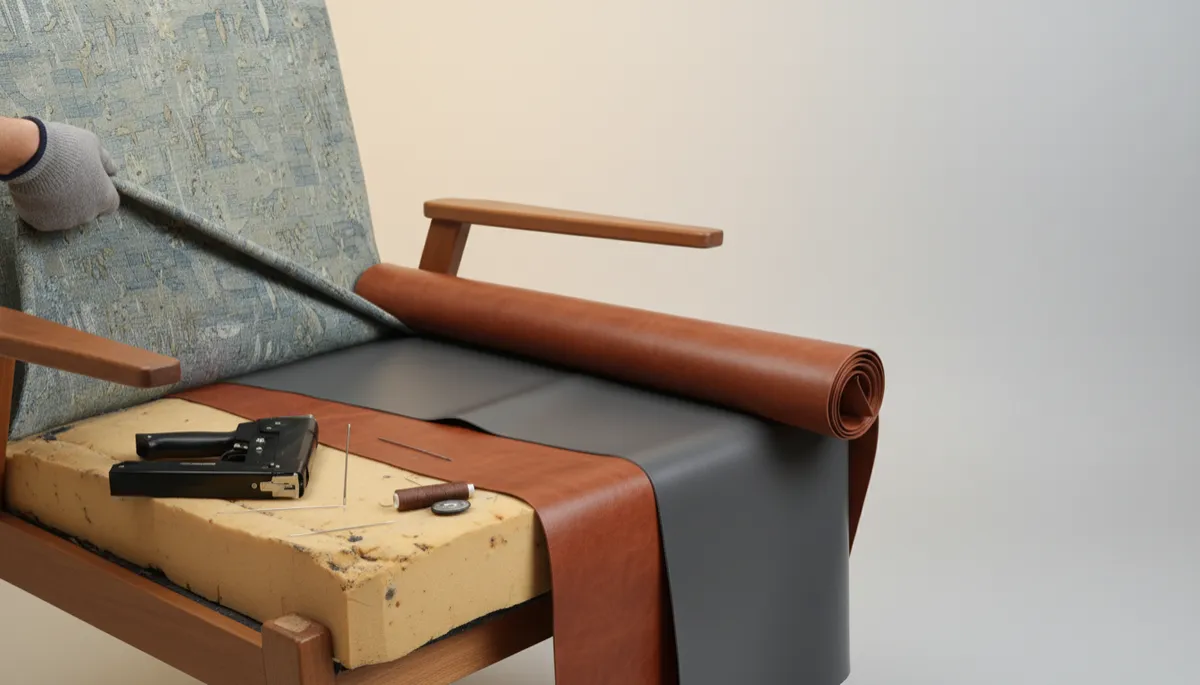
Reupholster Seats: Cloth to Vinyl or Leather
Home Improvement, Upholstery, Interior Design
Can I Change from Cloth to Vinyl or Leather When Reupholstering a Seat?
Thinking about giving your favorite chair, dining set, or car seat a makeover and wondering if you can swap the existing cloth for vinyl or leather? The short answer is yes—but there are important details to understand before you commit to a new material. This guide walks you through what’s possible, what to watch out for, and how to choose the right fabric for a long‑lasting, stylish result.
The Direct Answer: Yes, You Can Change from Cloth to Vinyl or Leather
You absolutely can change a seat from cloth to vinyl or leather when reupholstering. In fact, this is a common request for dining chairs, bar stools, office chairs, and vehicle seats. The frame and cushion underneath don’t usually care what the top material is—as long as the structure is sound and the new cover is installed correctly, the seat can function just as well (or better) than before.
Where people run into trouble is not in the “can I?” but in the “should I and how?” Different materials behave differently: they stretch, wear, and feel unlike each other. So while the change is possible, you’ll want to understand what switching from cloth to vinyl or leather really means for comfort, durability, maintenance, and cost.
📌 Key Takeaway: Changing from cloth to vinyl or leather is usually structurally fine. The key decisions are about comfort, care, and whether your frame and foam are suitable for the new material.
How Cloth, Vinyl, and Leather Differ in Everyday Use
Cloth: Soft, Breathable, and Forgiving
Cloth upholstery is popular because it’s typically soft, breathable, and budget‑friendly. It hides minor imperfections well and can be quite forgiving when it comes to wrinkles or small installation errors. On the downside, cloth can stain more easily, absorb odors, and be harder to wipe clean—especially in dining areas, kids’ rooms, or cars that see a lot of use.
Vinyl: Easy‑Clean and Practical, with a Different Feel
Vinyl (often called faux leather or PVC in everyday language) is a synthetic material designed to mimic the look of leather while being more affordable and very easy to maintain. Spills usually wipe right off, which makes it a favorite for kitchen chairs, bar stools, restaurants, and family homes. It also comes in a huge range of colors and textures, from matte to glossy and smooth to heavily grained.
However, vinyl doesn’t breathe like cloth. That means it can feel warmer or stickier against bare skin in hot weather and cooler to the touch in winter. Lower‑quality vinyl can crack or peel over time, especially in high‑sun or high‑use areas like car interiors and outdoor furniture, so choosing a quality grade is important if you want it to last.
Leather: Premium Look, Long Life, and Unique Aging
Genuine leather brings a luxurious, timeless look that many people love. It can be surprisingly durable when properly cared for, often outlasting cheaper fabrics by years. Leather also develops a patina—subtle changes in color and texture—that many owners find attractive and “lived‑in” rather than worn out. It’s especially popular for office chairs, statement armchairs, and car seats.
Still, leather requires more regular care than vinyl. It benefits from conditioning to prevent drying and cracking, and it can show scratches or pet damage more readily. It’s also more expensive than both cloth and vinyl, so reupholstering in leather is an upgrade in both appearance and budget.
💡 Pro Tip: If you love the look of leather but worry about cost or maintenance, ask your upholsterer about high‑quality faux leathers (also called performance vinyls) that balance appearance, durability, and price.
Is Your Seat Frame Suitable for Vinyl or Leather?
Before you switch materials, it’s crucial to check whether the underlying frame and padding are in good shape. Cloth can sometimes “forgive” a slightly sagging or uneven cushion because it’s softer and more flexible. Vinyl and leather, on the other hand, tend to highlight imperfections.
Check the frame: Is the wood or metal sturdy, without cracks, wobbling, or loose joints? Reinforce or repair before reupholstering in any material, especially a taut one like leather or vinyl.
Evaluate the springs or webbing: If you feel dips or sagging when you sit, the support system may need repair. A new cover alone won’t fix this and may make the unevenness more obvious.
Inspect the foam: Old foam can be crumbly, flat, or lumpy. Cloth hides this somewhat; vinyl and leather will show every bump. Replacing foam when you change materials is often worth the extra cost.
In most cases, if the seat is structurally sound and comfortable now, you can safely switch from cloth to vinyl or leather. Just be prepared that your upholsterer might recommend new foam or additional padding to get the best result with a firmer, less forgiving material.
Comfort Considerations When Switching Materials
Temperature and Breathability
Cloth usually feels neutral and breathable in most climates. When you replace it with vinyl or leather, you’ll notice a change in how the seat feels against your skin:
Vinyl and leather can feel cooler when you first sit down in a cold room or car, but they warm up with body heat.
In hot or humid conditions, they may feel warmer or stickier, especially against bare legs or arms.
If you live in a very hot climate and are considering vinyl for a car or sunroom, talk to your upholsterer about UV‑resistant and heat‑tolerant grades. For home seating, adding a slightly softer foam layer or breathable underlining can also help with comfort.
Firmness and Cushion Feel
Cloth tends to drape and stretch more easily, which can make a seat feel a bit plusher. Vinyl and leather, especially when pulled tight, create a firmer, more supportive surface. Some people love this “tailored” feel, while others miss the softness of fabric.
If you’re moving from a soft cloth seat to leather or vinyl and you’re worried it might feel too hard, ask about:
Using slightly softer foam or adding a thin topper layer for more give.
Choosing a leather or vinyl with a more supple, flexible finish instead of very stiff, thick hides.
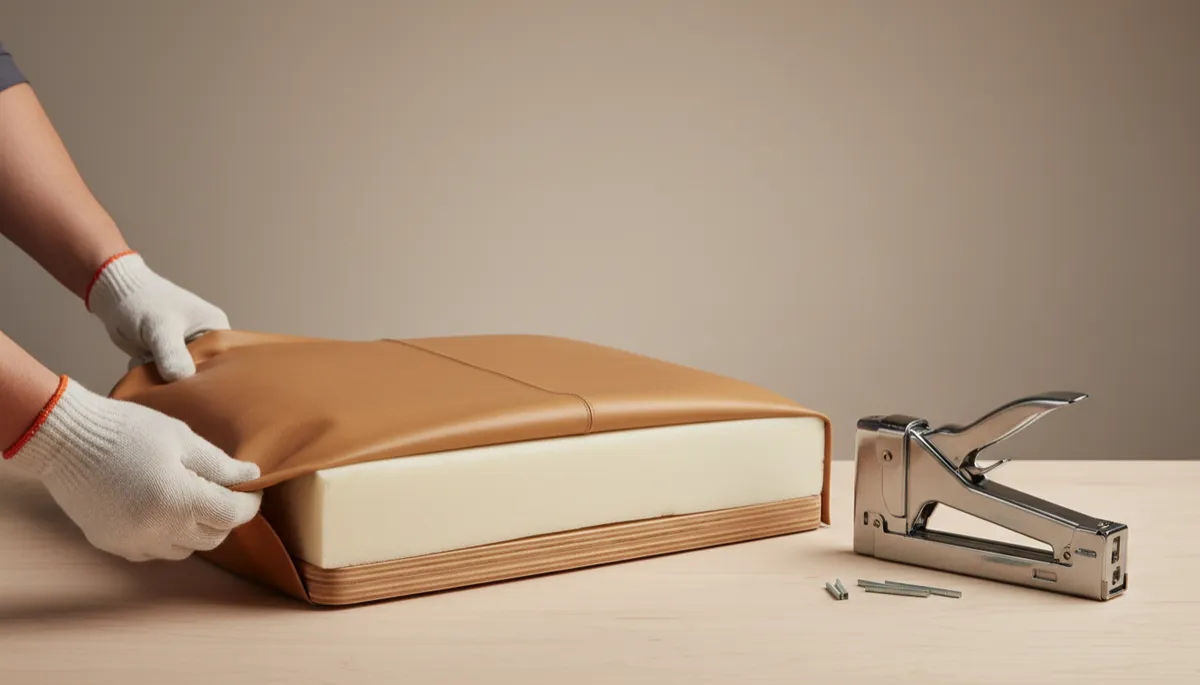
Fresh foam and careful stretching help leather or vinyl sit smoothly and comfortably.
Durability, Cleaning, and Maintenance: What Changes?
Stain Resistance and Cleaning Ease
One of the biggest reasons people ask, “Can I change from cloth to vinyl or leather?” is cleanability. If you have kids, pets, or frequent guests, you might be tired of dealing with spills and stains on fabric seats.
Vinyl: Usually the easiest to clean. Most everyday messes wipe off with a damp cloth and mild soap. It’s also resistant to many liquids and oils, making it ideal for dining chairs and bar stools.
Leather: Also relatively easy to wipe clean, but it benefits from proper leather cleaners and conditioners rather than harsh chemicals. It can be more sensitive to certain spills if they’re left to sit.
By swapping from cloth to vinyl or leather, you’re generally reducing day‑to‑day cleaning time. However, you are trading that for some level of long‑term care, especially with leather, which needs conditioning to stay supple.
Wear, Scratches, and Cracking
Cloth tends to wear by fraying, pilling, or thinning. Vinyl and leather wear differently:
Vinyl: Lower‑quality vinyl can crack, peel, or split over time, especially in high‑sun or high‑stress areas. Higher‑grade vinyls are much more durable and designed for heavy use (often labeled “marine,” “automotive,” or “commercial”).
Leather: Good‑quality leather can last many years, but it can show scratches from pets, belts, or sharp objects. Regular conditioning helps prevent cracking and keeps it flexible.
💡 Pro Tip: If you have pets with sharp claws, consider a slightly textured vinyl or a distressed‑look leather. Both can disguise minor scratches better than very smooth, shiny finishes.
Style and Design: How a Material Change Transforms the Look
Changing from cloth to vinyl or leather doesn’t just affect the way a seat feels—it can dramatically alter the overall style of a room or vehicle interior. The same chair can go from casual and cozy to sleek and sophisticated simply by changing the upholstery material and color.
Dining chairs: Swapping patterned cloth for smooth vinyl in a neutral tone can create a more modern, minimalist dining area that’s also easier to wipe clean after meals.
Office chairs: Replacing worn cloth with leather can instantly make your workspace feel more professional and polished, especially in a home office where the chair is a focal point.
Car seats: Converting fabric seats to leather or high‑grade vinyl can give your vehicle a “luxury package” look and often increases perceived value if done well.
When planning your reupholstery project, think beyond just the material. Consider color, texture, and stitching details. Contrasting stitching, tufting, or decorative seams can add character, while smooth, clean lines look more contemporary. A good upholsterer can show you sample books and help match the new material to your existing décor.
Cost: Will Switching from Cloth to Vinyl or Leather Be More Expensive?
In most cases, yes—upgrading from cloth to vinyl or leather will change the cost of your reupholstery project. But how much depends on the specific material you choose and the complexity of the seat design.
Vinyl vs. Cloth: Standard vinyl is often comparable in price to mid‑range upholstery fabrics, and sometimes cheaper. Higher‑end “performance” or automotive‑grade vinyls will cost more, but they may still be less than genuine leather while offering excellent durability.
Leather vs. Cloth: Genuine leather is usually the most expensive option. You’re paying for both the material and the extra care and skill required to work with it. However, if you plan to keep the piece for many years, the investment can be worthwhile.
Keep in mind that labor costs may increase slightly when switching materials, especially if your upholsterer needs to adjust patterns, add foam, or reinforce seams to suit vinyl or leather. It’s a good idea to request a detailed quote that separates material and labor so you can see where your money is going and compare options fairly.
Practical Steps if You’re Ready to Switch from Cloth to Vinyl or Leather
1. Decide How You Use the Seat
Start by asking: Where is this seat and who uses it? A formal accent chair that’s rarely sat on can handle a more delicate leather. A breakfast‑bar stool used by kids every day might be better in a tough, wipeable vinyl. Matching the material to the real‑life use of the seat is the smartest way to make your investment last.
2. Talk to a Professional Upholsterer (or Do Careful Research for DIY)
If you’re hiring a professional, show them photos of your seat and explain that you want to switch from cloth to vinyl or leather. They can:
Confirm that the frame and foam are suitable for the new material.
Suggest specific grades of vinyl or leather that match your budget and usage.
Provide samples so you can feel the texture and see the true color in your space.
If you’re planning a DIY project, research carefully. Vinyl and leather require different tools and techniques than cloth, such as stronger needles, specific thread, and more attention to how the material is stretched and stapled. Starting with a simple, flat dining chair seat is much easier than tackling a complex armchair or car seat on your own.
3. Consider the Whole Room or Interior, Not Just One Seat
When you change one seat from cloth to vinyl or leather, it can make other pieces in the room look dated by comparison. Before you finalize your choice:
Look at your sofa, other chairs, curtains, and rugs. Will the new material complement them?
For car interiors, consider the dashboard, door panels, and steering wheel. Matching or coordinating materials can create a more cohesive, factory‑finished look.
Common Concerns When Switching from Cloth to Vinyl or Leather
“Will the Seat Feel Too Slippery?”
Some people worry that vinyl or leather might be too slick, especially on dining chairs or bar stools. While these materials are smoother than most cloth, the finish makes a big difference. Matte or lightly textured vinyl and leather offer more grip than very shiny, glossy finishes. If this is a concern, ask specifically for textured or grained options rather than ultra‑smooth ones.
“What About Allergies?”
Cloth can trap dust, pet dander, and pollen in its fibers, which may be an issue for allergy sufferers. Vinyl and leather surfaces don’t hold onto allergens as easily and can be wiped clean, which some people find more allergy‑friendly. That said, if you have sensitivities to certain chemicals, talk to your upholsterer about low‑VOC and hypoallergenic material options.
“Is It Environmentally Friendly?”
Environmental impact is a more complex question. Vinyl is a plastic‑based material, while leather is an animal product that can be resource‑intensive to produce. However, reupholstering an existing piece—rather than buying new—already reduces waste by keeping a frame out of the landfill. If sustainability is important to you, ask about:
High‑quality materials that will last many years, reducing the need for frequent replacement.
Eco‑conscious or certified leathers and low‑emission vinyls where available.
Final Thoughts: Is Switching from Cloth to Vinyl or Leather Right for You?
So, can you change from cloth to vinyl or leather when reupholstering a seat? Yes, you can—and many people do. The real decision is whether vinyl or leather is the best fit for your lifestyle, budget, and style preferences. Both materials can offer easier cleaning, a more polished look, and potentially longer life than some fabrics, especially in high‑use areas.
Before you decide, take a moment to:
Assess how and where the seat is used—daily family meals, occasional guests, office work, or driving.
Check that the frame and foam are in good condition or plan to refresh them.
Weigh the trade‑offs between easy cleaning, comfort, cost, and maintenance.
A quick consultation with an experienced upholsterer—and a chance to see and feel sample materials in person—can give you confidence in your choice. With the right planning, switching from cloth to vinyl or leather can transform a tired seat into a stylish, durable, and practical piece that suits your home or vehicle for years to come.
