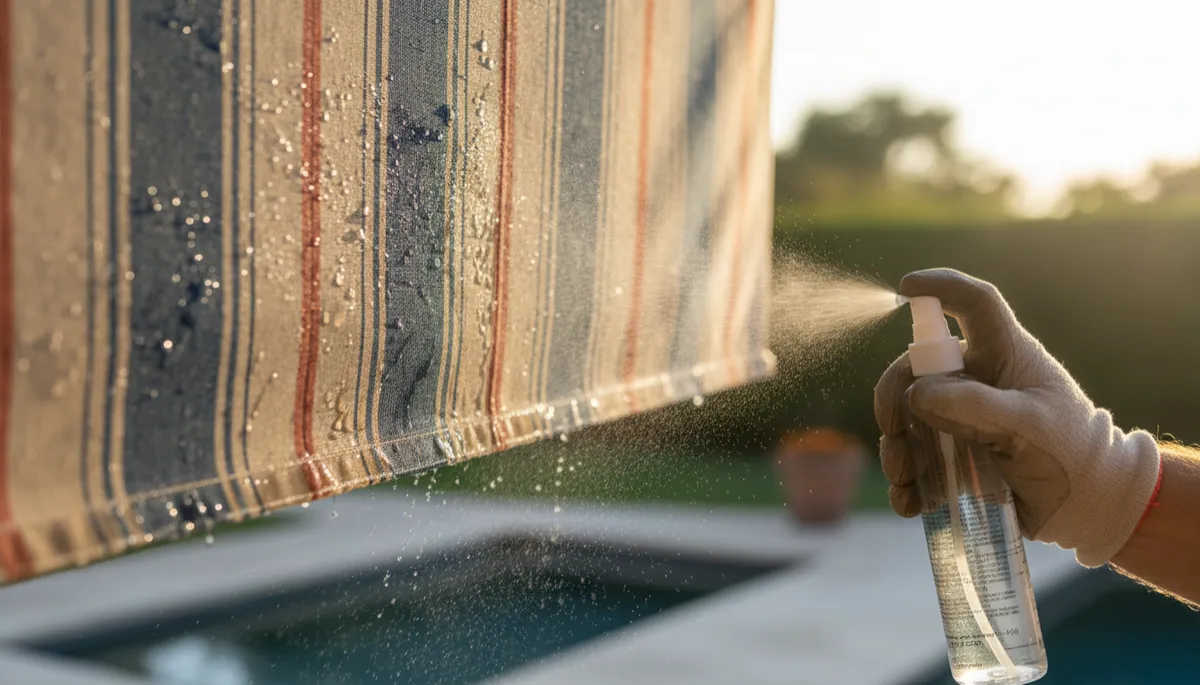
Re-Treating Sunbrella Covers for Water Resistance
Outdoor Living, Fabric Care, Sunbrella
Can an Older Sunbrella Cover Be Re‑Treated for Water Resistance?
If your once‑dependable Sunbrella cushion, boat cover, or awning has started to soak up rain instead of shedding it, you are not alone. Many homeowners and boaters wonder whether an older Sunbrella cover can be re‑treated for water resistance or if it is time to replace it entirely. The good news: in many cases, you can restore impressive water repellency—if you approach it the right way.
First Things First: Is Sunbrella Fabric Itself Waterproof?
To understand what you can realistically fix, it helps to know how Sunbrella works. Sunbrella is a brand of solution‑dyed acrylic fabric designed to be water‑repellent, not fully waterproof like a tarp or vinyl. The fibers are inherently weather‑resistant, and the manufacturer adds a factory‑applied durable water repellent (DWR) finish that makes water bead and roll off the surface instead of soaking in immediately.
Over time, UV exposure, dirt, sunscreen, tree sap, and repeated cleanings gradually wear down that DWR coating. The fabric underneath is still tough and colorfast, but it may start to wet out—meaning water sits on the surface and then slowly seeps through. This is usually when people notice damp cushions or dripping covers and begin asking whether an older Sunbrella cover can be re‑treated for water resistance.
📌 Key Takeaway: Most aging Sunbrella issues are about lost water repellency, not failed fabric. That is exactly what re‑treating can help restore.
Can an Older Sunbrella Cover Be Re‑Treated for Water Resistance?
In many cases, yes, an older Sunbrella cover can absolutely be re‑treated to improve its water resistance. Sunbrella themselves recommend using a spray‑on water‑repellent after thorough cleaning when you notice that water no longer beads up on the surface. When done properly, this can significantly extend the life of your fabric and delay the need for replacement by several seasons.
However, there are a few important caveats:
Re‑treating restores water repellency, not structural strength. If the fabric is torn, threadbare, or severely UV‑damaged, a spray will not fix that.
The surface must be properly cleaned first. Applying a repellent over dirt, mildew, or soap residue can trap stains and reduce effectiveness.
Not every water‑repellent product is suitable for Sunbrella. Choosing the right type matters if you want good results without discoloration or stiffness.
💡 Pro Tip: If your Sunbrella cover is more than 8–10 years old but still looks structurally sound, a careful clean and re‑treat is often far cheaper than replacement and can buy you several more years of use.
Step 1: Inspect Your Older Sunbrella Cover Honestly
Before you invest time and money in re‑treating, give the fabric a quick health check. Lay the cover out flat in good light and look for:
Fading and chalkiness: Some fading is normal, but if the fabric feels powdery or brittle, UV damage may be advanced.
Fraying seams or ripped stitching: These can often be repaired, but you may need a local canvas shop or upholstery service.
Thin spots or pinholes: Hold the fabric up to the light. If you see lots of tiny light spots, the material may be nearing the end of its life.
If the fabric still feels supple and strong, but just no longer sheds water the way it used to, it is an excellent candidate for re‑treatment. If it is falling apart, you will get better value by replacing it rather than trying to rescue it with sprays.
Step 2: Deep Clean Before You Re‑Treat
Any water‑repellent product will work best on a clean, residue‑free surface. Sunbrella recommends a mild cleaning solution—often a mix of mild soap and warm water. For stubborn mildew or heavy soil, they provide recipes that include a small amount of bleach, which their solution‑dyed acrylic can handle when used correctly. Always check Sunbrella’s official care guide for the exact ratios for your situation.
Brush off loose dirt first with a soft brush.
Apply the cleaning solution and gently scrub, focusing on stained areas.
Rinse thoroughly until the water runs clear—leftover soap can interfere with water repellency.
Allow the fabric to air‑dry completely before applying any treatment.
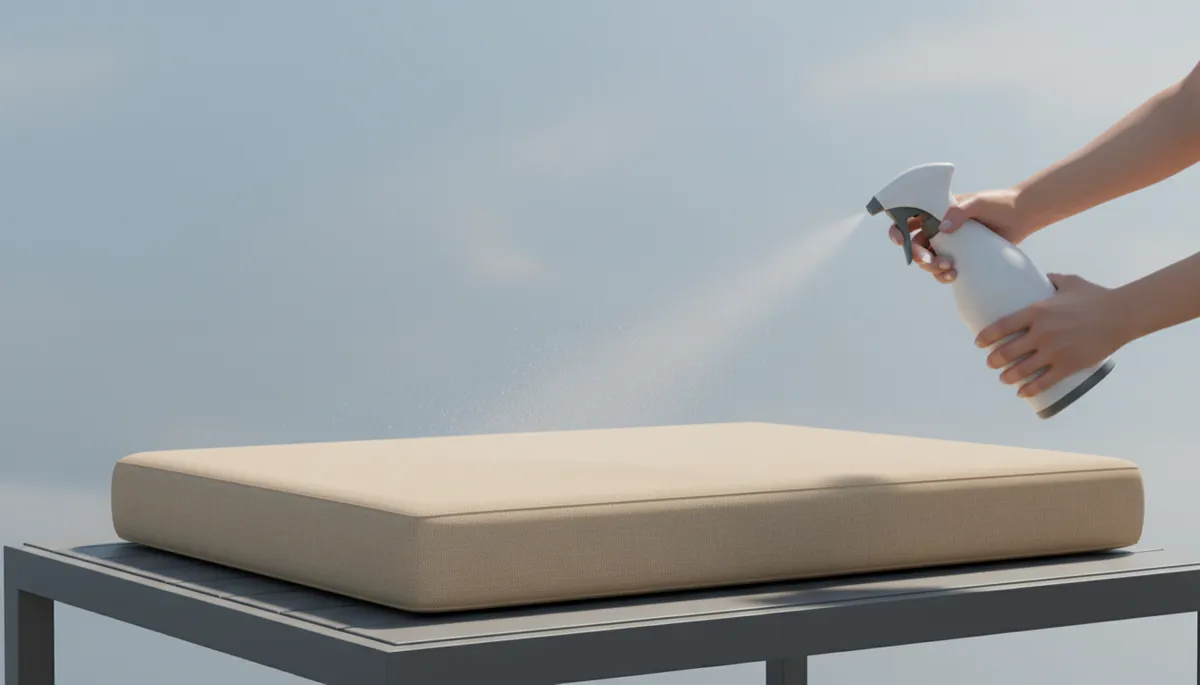
A clean, dry surface helps water‑repellent treatments bond evenly and last longer.
Step 3: Choose the Right Water‑Repellent Product
Not all fabric protectors are created equal. For older Sunbrella covers, look for products that are:
Specifically labeled for outdoor acrylic fabrics or marine canvas.
Recommended by Sunbrella or trusted marine/outdoor fabric professionals.
Water‑based or solvent formulations designed not to leave a greasy film or significantly change fabric color.
Many consumers use well‑known marine fabric treatments that are widely available online and at boating or outdoor stores. Always read the label carefully and, if possible, check the manufacturer’s website for compatibility with Sunbrella or solution‑dyed acrylic fabrics. When in doubt, contact the product maker or Sunbrella customer service for guidance.
⚠️ Warning: Avoid generic “waterproofing” sprays meant for leather, suede, or clothing only. They may not bond well to outdoor acrylic and can cause discoloration or stiffness.
Step 4: How to Apply Water‑Repellent to an Older Sunbrella Cover
Application is usually straightforward, but a few simple habits can dramatically improve your results with an older cover:
Work in a well‑ventilated outdoor area. Lay the cover flat or drape it smoothly over a clean surface.
Test a small, inconspicuous area first. This helps you check for any color change or unwanted sheen before treating the entire piece.
Apply in even, overlapping passes. Hold the sprayer at the distance recommended on the label and move steadily so you do not create heavy, saturated patches.
Pay attention to seams and high‑wear areas. These spots often need a bit more product because they see the most stress and moisture.
Let it cure fully. Many products specify a drying or curing time—often 12–24 hours—before exposing the fabric to moisture or heavy use.
Some treatments recommend a second light coat for older or heavily used fabric. If so, follow the timing instructions carefully; more is not always better, and over‑saturating can cause uneven appearance or stiffness.
What Kind of Results Can You Expect?
After a proper clean and re‑treat, most people notice a clear improvement: water beads on the surface again, cushions do not soak through as quickly, and light showers are no longer a problem. It may not be quite as perfect as the day you bought it, but for many older Sunbrella covers, the difference is dramatic enough to restore everyday usability.
How long the renewed water resistance lasts depends on:
How harsh your climate is (intense sun and heavy rain wear finishes faster).
How often the cover is used, cleaned, or abraded (for example, boat covers that flap in the wind).
The quality of the product you used and how carefully you applied it.
Many homeowners find they need to re‑treat every 1–3 years, depending on exposure. The process is usually quicker the second time because you know what to expect and can stay ahead of heavy soiling and mildew.
When Re‑Treating Might Not Be Enough
While re‑treating is effective for many older Sunbrella covers, there are situations where it is only a temporary bandage—or may not help much at all:
Severely UV‑weakened fabric: If the material tears easily or feels crispy, adding a water repellent will not restore strength.
Damaged backing or lining: Some covers have additional layers underneath. If those have broken down, water may still find its way through.
Design limitations: Even well‑treated fabric can leak if the cover design allows water to pool, or if seams and zippers are not water‑resistant.
In these cases, you may still choose to re‑treat as a short‑term improvement while you shop for a replacement, but it is wise to manage expectations. No spray can turn a worn‑out cover into a brand‑new one.
How to Help Your Re‑Treated Cover Last Longer
Once you have put in the effort to restore water resistance, a few simple habits can keep your older Sunbrella cover performing well:
Brush off debris regularly. Leaves, pollen, and dirt act like sandpaper on the surface coating over time.
Spot clean spills promptly. Sunscreen, oils, and bird droppings are easier to remove before they set in.
Avoid harsh detergents or fabric softeners. These can strip away the very water‑repellent layer you just added.
Store covers when not in use for long periods. During off‑seasons, keep them clean, dry, and out of direct sun to slow aging.
So, Should You Re‑Treat or Replace?
If you are standing on your patio or dock, looking at an older Sunbrella cover and wondering what to do, here is a simple way to decide:
The fabric still feels strong, the color is acceptable, and the main issue is that it now absorbs water instead of shedding it? Re‑treating is a smart, cost‑effective next step.
The cover is badly torn, extremely faded, or brittle, and even the stitching is giving out? Replacement is likely the better investment. You can still re‑treat temporarily if you need to buy time, but it is not a long‑term fix.
For many homeowners and boaters, the sweet spot is recognizing that Sunbrella is designed to be cleaned and refreshed rather than thrown away at the first sign of wear. With the right cleaner and a quality water‑repellent, an older Sunbrella cover can often be given a second life, keeping your outdoor spaces comfortable, dry, and good‑looking for years longer than you might expect.
In short, yes—an older Sunbrella cover can usually be re‑treated for water resistance, as long as the underlying fabric is still in decent shape. A thoughtful inspection, a thorough clean, and a carefully chosen treatment can transform a tired, leaky cover back into a reliable shield against the elements, helping you get more value from the investment you have already made.
