
The Upholstery Insider
The Upholstery Insider by Canvas Guy - is where drivers, businesses, and boat owners in Utah can learn more about upholstery and canvas repair. Explore our guides, see real projects, and discover how to make your interior last longer.
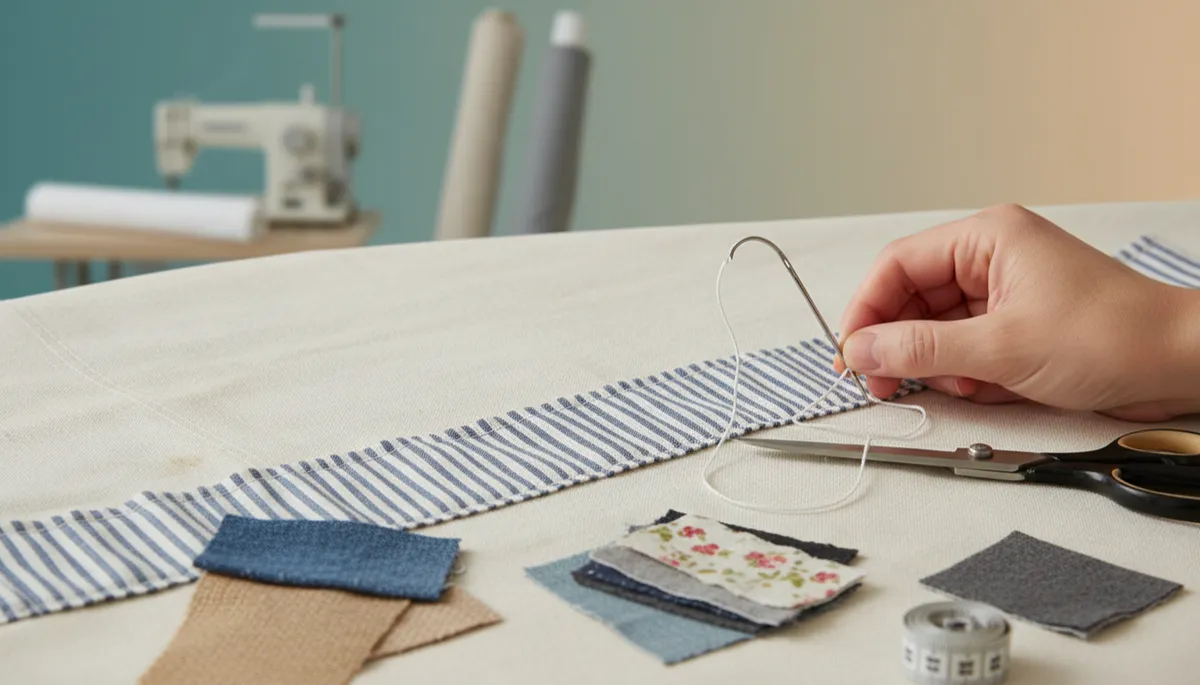
Alter or Replace Your Canvas Cover: A Guide
Home Improvement, Outdoor Living, Canvas Covers
Can an Existing Canvas Cover Be Altered Instead of Replaced?
If you own a boat cover, patio furniture cover, caravan awning, or shade sail, you may be wondering whether you really need to buy a brand-new one when it stops fitting or starts to show wear. In many cases, an existing canvas cover can be altered instead of replaced – but it depends on the fabric’s condition, the type of damage, and what you want to change about it. This guide walks you through how to decide, in plain language, so you can make a smart, budget‑friendly choice for your home or leisure gear.
The Short Answer: Yes, But Not Always
For most individual consumers, the key question is simple: can my existing canvas cover be altered instead of replaced? In many everyday situations, the answer is yes:
A slightly loose or tight boat cover can often be taken in or let out.
Patio furniture covers can be shortened, reshaped, or have straps and fasteners repositioned.
Caravan or camper trailer awnings can be patched, re‑hemmed, or have zips, windows, and doors replaced or moved.
However, there are also times when altering an old cover is like trying to tailor a suit that’s already falling apart: it might technically be possible, but it won’t give you a result you’re happy to live with. The rest of this article is designed to help you tell the difference before you spend money either way.
Step 1: Check Whether Your Canvas Is Still Worth Saving
Before you think about alterations, you need to know if the base fabric is still healthy. Canvas covers live outdoors, so they deal with sun, rain, salt, dust, and constant movement. Over time, even good‑quality material can weaken. Use this simple home checklist to assess yours:
1. The pinch and pull test
Take a small section of canvas that gets the most sun – usually the top panel. Pinch it between your fingers and gently pull. If it feels crispy, brittle, or crackly, or if you hear fibres tearing, the canvas is probably UV‑damaged. In that case, adding new stitching or panels won’t give you a long‑lasting result, because the surrounding fabric will keep failing.
2. Look for widespread fading and chalking
Some colour fading is normal and mostly cosmetic. But if you see heavy, uneven fading combined with a chalky residue that rubs off on your hands, the protective coatings on the fabric may have broken down. That means the cover won’t repel water or resist mould as well as it used to, and any alteration may only extend its life for a short time.
3. Inspect seams, corners, and stress points
Check the stitched areas first: hems, corners, and around zips, snaps, or eyelets. If the thread has failed but the fabric itself is still strong, that’s actually good news. Re‑stitching or reinforcing these areas is a very common and cost‑effective alteration for consumers, and it can give your cover several more years of use.
4. Smell and check for mould or mildew
A musty smell or visible black and green spots don’t automatically mean your cover is finished. Often, a thorough clean and treatment can restore it. But if mould has penetrated deep into the fibres, especially in combination with UV damage, it may not be worth altering. A reputable canvas repairer can help you judge this if you’re unsure.
💡 Consumer tip: If more than about a third of the cover feels weak, brittle, or heavily damaged, most professionals will recommend replacement instead of alteration. You’ll spend less in the long run and get better protection.
Common Alterations You Can Make to an Existing Canvas Cover
Once you know your canvas is structurally sound, you can start thinking about what you’d like to change. Here are the most common alterations everyday consumers request – and when they make sense.
Adjusting the size or fit
Maybe you’ve upgraded your boat with a new rail, added a barbecue to your patio, or changed your outdoor furniture. Suddenly, your once‑perfect cover no longer fits. In many cases, a skilled canvas worker can:
Take in excess material so a sagging cover sits snugly again and doesn’t pool water.
Let out seams or add infill panels to gain a few centimetres where you need more room.
Shorten a cover that drags on the ground, which can cause premature wear and mould.
Altering size is usually most practical when the change is relatively small. If your new setup is dramatically different – for example, you’ve gone from a simple runabout to a cabin cruiser – you’ll probably be better off with a new, purpose‑made cover.
Replacing zips, clips, straps, and eyelets
Hardware is one of the first things to fail on canvas covers. The good news: it’s also one of the easiest and most worthwhile things to replace. Common upgrades include:
New marine‑grade zips that slide smoothly and resist corrosion.
Stronger buckles and straps that hold the cover firmly in wind and bad weather.
Additional or repositioned eyelets to tie down the cover more securely or avoid chafing points.
For many consumers, this type of alteration offers the best value for money. It’s relatively quick for a professional to do, and it can transform a frustrating, hard‑to‑use cover into something you can manage easily on your own.
Patching holes and reinforcing weak spots
Small tears and worn areas don’t automatically mean you need a new cover. In fact, many boat owners and homeowners get years of extra life from their covers by:
Adding patches over sharp corners, railings, or hinges that rub against the canvas.
Installing reinforcement panels in high‑stress areas, such as where the cover crosses a frame or pole.
Repairing small cuts or punctures before they grow into larger rips.
DIY patch kits exist, but for a neat, long‑lasting result – especially on visible areas – a professional repair is usually worth the modest extra cost. They’ll match the fabric weight and stitch type so the repair blends in and holds up over time.
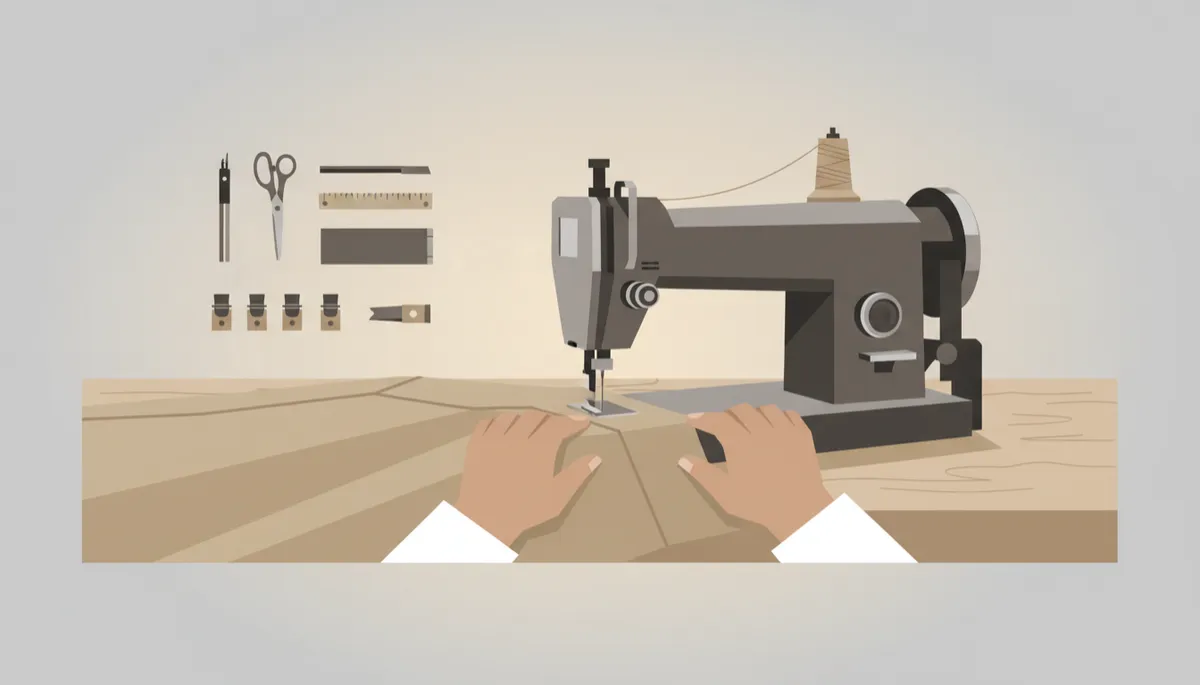
Strategic patching and reinforcement can extend a quality canvas cover’s life by several seasons.
Adding windows, vents, and access points
Sometimes your needs simply change over time. Perhaps you’d like more airflow under your boat or caravan cover, or easier access to storage hatches without removing the whole thing. In many cases, alterations can give you these upgrades without starting from scratch:
Installing mesh vents to reduce condensation and mould build‑up.
Adding clear PVC windows in caravan annexes or outdoor enclosures for light and visibility.
Creating new zippered doors or flaps so you can reach key areas without removing the entire cover.
These more complex alterations cost more than simple repairs, but they can dramatically improve how practical and enjoyable your existing cover is to use day‑to‑day.
When Altering an Existing Cover Makes the Most Sense
From a consumer’s point of view, you’re usually balancing three things: cost, convenience, and lifespan. Altering your existing canvas cover is often the smartest choice when:
The fabric is still strong and flexible, with only localised damage or wear.
The change you need is relatively small – for example, moving a zip, adding a vent, or adjusting the fit slightly.
The cover is custom‑made or high‑quality, and replacing it like‑for‑like would be expensive.
You’re happy if the alteration gives you several more seasons of use, rather than expecting it to perform like brand new for a decade.
📌 Key takeaway for homeowners and boat owners: If your cover was inexpensive to begin with and is now very worn, it rarely makes financial sense to invest in complex alterations. Save that money toward a better‑quality replacement instead.
When Replacement Is a Better Option Than Alteration
There are plenty of situations where a professional will tell you – and they should be honest about this – that you’re better off replacing the cover entirely. As a consumer, watch for these red flags:
The cover is badly UV‑damaged or brittle
Once UV has broken down the fibres across large areas, the canvas will tear easily, even if it still looks okay from a distance. Any new stitching or patches you add will be anchored into weak material, so they won’t last long. In this case, alterations are usually a short‑term band‑aid at best.
The design no longer suits your needs at all
If you’ve completely changed your boat layout, outdoor seating, or caravan setup, trying to “force” an old cover to work can become more expensive than commissioning a new one. Multiple infill panels, new zips, and major reshaping all add up quickly in labour and materials.
The cost of alteration approaches the cost of a new cover
As a rule of thumb, if an alteration quote is more than about 50–60% of the price of a comparable new cover, it’s worth seriously considering replacement instead. A new cover will give you fresher fabric, full UV and water resistance, and a longer expected lifespan for not much more money.
How to Talk to a Canvas Professional (Even If You’re Not “Technical”)
Many individual consumers feel unsure about approaching an upholsterer or canvas shop. You don’t need specialist knowledge – just be clear about what you want your cover to do. Here’s a simple way to frame the conversation:
Describe the problem in everyday terms. For example, “Water pools in the middle,” “The zip keeps jamming,” or “It no longer reaches over the new motor.”
Explain how you use the cover. Do you remove it daily? Only for winter storage? This helps them recommend practical solutions.
Ask for options. A good professional will outline a basic repair, a more comprehensive alteration, and, where appropriate, what a new cover would cost – so you can compare.
Be honest about your budget and timeframe. If you’re preparing for a trip or working within a fixed budget, say so upfront.
💡 Pro tip for consumers: Take clear photos of your cover in place, plus close‑ups of any damage, before you visit or email a repair shop. This often allows them to give you a ballpark estimate and advice without multiple trips.
Rough Cost Expectations: Altering vs. Replacing
Prices vary by country, fabric brand, and complexity, but as a general consumer guide:
Simple alterations – re‑stitching seams, replacing a zip, or adding a few extra eyelets – are usually quite affordable and can often be done for a fraction of the cost of a new cover.
Moderate alterations – resizing panels, adding vents, or reinforcing several areas – will cost more, but can still represent good value if your existing cover is high‑quality and structurally sound.
Full replacement will be more expensive upfront, but may offer better long‑term value if your old cover is already near the end of its life.
Always ask for an itemised quote. This not only helps you compare alteration vs replacement, but also shows you exactly what work is being done – useful if you’re comparing different canvas shops.
Environmental and Emotional Reasons to Alter, Not Replace
For many individuals, the decision isn’t just about money. Canvas covers are bulky items, and sending them to landfill isn’t ideal. Altering and repairing an existing cover:
Reduces waste by keeping large pieces of fabric in use for longer instead of discarding them prematurely.
Saves the energy and materials needed to manufacture and transport a new cover.
Allows you to keep a cover you like – whether it’s a particular colour, style, or something with sentimental value, like a long‑owned family boat cover.
If sustainability matters to you, mention this when getting quotes. Some canvas businesses specialise in repair‑first solutions and may offer clever ways to reuse or repurpose parts of your old cover even if full replacement is required.
Simple Maintenance to Make Any Alteration Last Longer
Whether you alter your existing canvas cover or invest in a new one, a few easy habits will help you get the most from it:
Clean gently but regularly. Brush off dirt and leaves, and wash occasionally with mild soap and water – never harsh chemicals that can strip coatings and weaken fabric.
Allow the cover to dry fully before storing it to reduce mould and mildew growth, especially after heavy rain or washing.
Avoid sharp edges. Add foam, tape, or protective caps over sharp corners and fittings that rub against the canvas to prevent new wear spots forming.
Check hardware seasonally. A quick look at zips, buckles, and eyelets a couple of times a year allows you to catch small issues before they become big, expensive problems.
Bringing It All Together: Should You Alter or Replace?
So, can an existing canvas cover be altered instead of replaced? For many individual consumers, the answer is a confident yes – as long as the underlying fabric is still in good condition and the changes you need are realistic. Alterations like re‑stitching, hardware replacement, patching, and minor resizing can be surprisingly affordable and can give your current cover a fresh lease on life.
On the other hand, if your cover is badly UV‑damaged, structurally weak, or fundamentally the wrong design for how you now use your boat, patio, or caravan, then putting money into complex alterations is often throwing good money after bad. In those cases, a new, well‑designed cover will protect your gear better, be easier to handle, and likely save you frustration and further costs down the line.
As a practical next step, take ten minutes to inspect your canvas cover with the simple tests in this guide. Note any problem areas, snap a few photos, and reach out to a local canvas or upholstery professional for an honest opinion. With a clear picture of your options and realistic expectations about cost and lifespan, you’ll be able to choose confidently between altering and replacing – and keep your valuable belongings protected for many seasons to come.

Our Customers Say It Best
"We had a ripped boat cover that we thought was beyond repair. Now it’s strong, stylish, and holding up perfectly to the elements."

“My truck’s driver seat was cracked and falling apart. After Canvas Guy worked on it, it looks better than when it was new. The difference is night and day.”

“The only upholstery shop I recommend. Honest pricing, excellent work.”

“Finally, an upholstery shop that does it right the first time. Strong stitching, durable material, and quick turnaround.”

“I was restoring my classic car and needed the seats to match the original look. Canvas Guy nailed every detail.”

“We ride ATVs hard, and the seats take a beating. Canvas Guy’s work holds up better than anything I’ve tried before.”

Your Project Deserves This Level of Quality
Get In Touch
Email: [email protected]
Address
259 S Center St.
Elsinore, UT 84724
Phone Number:
(928) 925-8258


Copyright © 2026,all right reserved