
The Upholstery Insider
The Upholstery Insider by Canvas Guy - is where drivers, businesses, and boat owners in Utah can learn more about upholstery and canvas repair. Explore our guides, see real projects, and discover how to make your interior last longer.
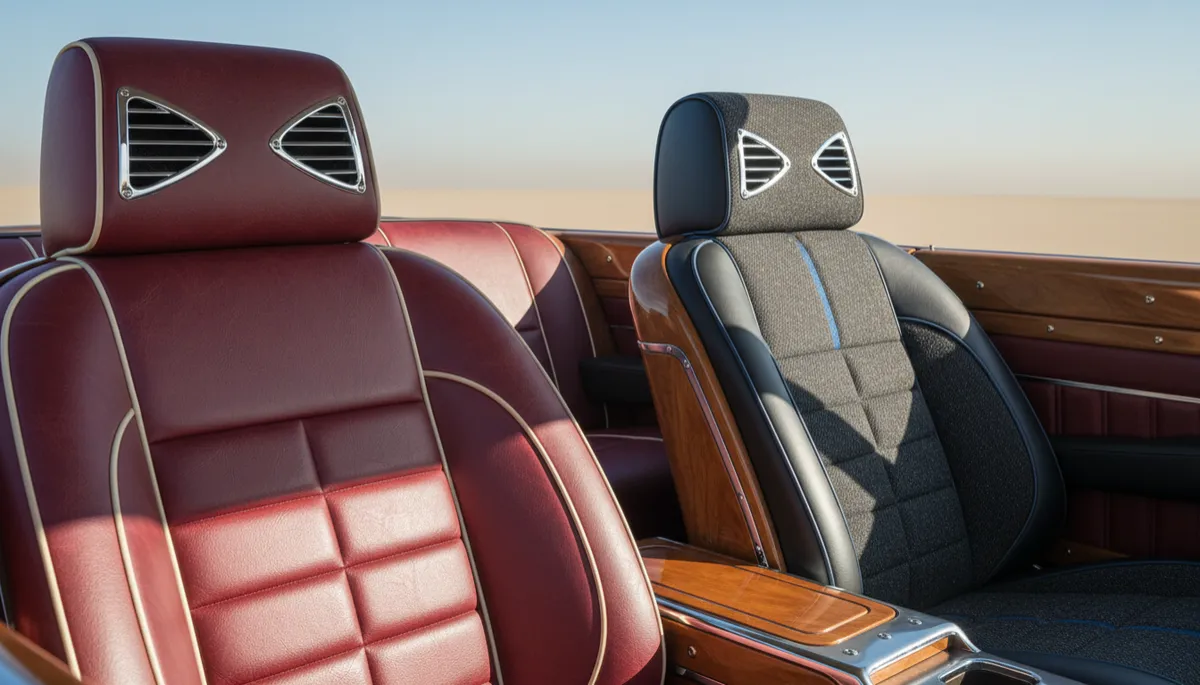
Customize Classic Car Interiors for Shows
Classic Cars, Interior Customization, Car Show Ideas
Show-Stopping Seats: Ideas for Customizing Your Classic Car Interior for Car Shows
When you roll into a car show, people notice two things right away: your paint and your interior. A beautifully customized seat setup can transform your classic car from “nice restoration” to “best in show” contender. Whether you’re aiming for factory-correct authenticity or a subtle restomod twist, your seats are one of the most powerful ways to express your style and tell your car’s story.
Start with a Vision: What Story Should Your Seats Tell?
Before you pick materials or colors, decide what you want your classic car seats to say about the car and about you. Judges and enthusiasts at car shows pay close attention to how well the interior matches the overall theme. A cohesive vision will keep your customization choices focused and intentional, instead of random or overdone.
Factory-fresh original: You want people to feel like they’ve stepped back in time to the car’s model year.
Period-correct custom: Your car looks like it was customized in its own era—think tuck-and-roll vinyl, diamond pleats, or 60s/70s-style patterns.
Subtle restomod: Modern comfort and materials, but with a restrained, tasteful look that still honors the classic lines.
Full custom showpiece: Bold colors, unique stitching, and one-of-a-kind patterns meant to draw a crowd the second you open the door.
💡 Pro Tip: Write down three words that describe your ideal interior (for example: “vintage, refined, understated”). Use them as a filter for every customization decision you make.
Choosing Materials: Leather, Vinyl, Cloth, and Beyond
Material choice is one of the first things judges and fellow enthusiasts notice when they lean into your cabin. The right material can elevate your classic car seats, while the wrong one can clash with the car’s age and character. Because you’re targeting car shows, durability, authenticity, and visual impact all matter.
Premium Leather for a Timeless, High-End Look
Leather is often the go-to choice for classic car seat customization because it feels luxurious and photographs beautifully under show lights. Neutral tones like tan, saddle, charcoal, and cream pair well with most exterior colors and create a refined, timeless look. For a show car, consider:
Full-grain or top-grain leather for a rich, natural texture that ages gracefully.
Perforated inserts in the seat centers for breathability and a subtle visual contrast.
Matte or satin finish instead of high-gloss, which can look artificial under bright show lighting.
High-Quality Vinyl for Period-Correct Style
Many classics originally came with vinyl seats, and today’s premium automotive vinyl can look incredibly authentic while being easier to clean and more resistant to show-day mishaps. If you’re restoring a 50s, 60s, or 70s car, vinyl may be the best way to stay true to its roots while still customizing patterns and colors. Consider:
Metallic or pearl vinyl accents that echo vintage custom upholstery trends without overpowering the interior.
Two-tone vinyl combinations that mirror your exterior paint or stripe colors.
Cloth and Specialty Fabrics for Character and Comfort
Cloth seats can bring warmth and personality, especially if your car originally came with fabric upholstery. For car shows, cloth can also help keep you cooler during long days on the field. Unique options include:
Houndstooth or plaid inserts for a 60s/70s vibe that looks fantastic in muscle cars and European classics.
Alcantara or suede-style panels on bolsters and headrests for a subtle motorsport-inspired touch.
💡 Pro Tip: Bring paint chips or photos of your exterior when visiting an upholstery shop. Matching tones in person is far more reliable than guessing from memory.
Seat Patterns and Stitching: Where Subtle Details Win Points
Once you’ve chosen your material, the next layer of customization is how that material is shaped, padded, and stitched. For car shows, these details often separate a nice interior from a truly memorable one. Judges will look for clean, even stitching, consistent patterns, and a design that suits the car’s era and personality.
Classic Pleats, Tuck-and-Roll, and Diamond Quilting
Traditional patterns can instantly make your seats look professionally customized while still feeling appropriate for a vintage vehicle. Popular options include:
Vertical pleats: Clean, straight lines that elongate the seat and work well in sedans, coupes, and convertibles from many eras.
Tuck-and-roll: A classic hot rod and custom look, often done in vinyl, that screams period-correct custom from the 50s and 60s.
Diamond quilting: A more upscale pattern that looks especially good in leather and can echo the diamond shapes of classic door panels.
Contrast Stitching for a Modern, Custom Touch
Contrast stitching is a simple but powerful way to highlight the lines of your seats. In a neutral interior, a carefully chosen thread color can tie everything together and catch the eye without feeling loud. For example:
Cream leather seats with dark brown stitching to match the dash or steering wheel.
Charcoal seats with subtle red stitching that echoes your brake calipers or pinstripes.
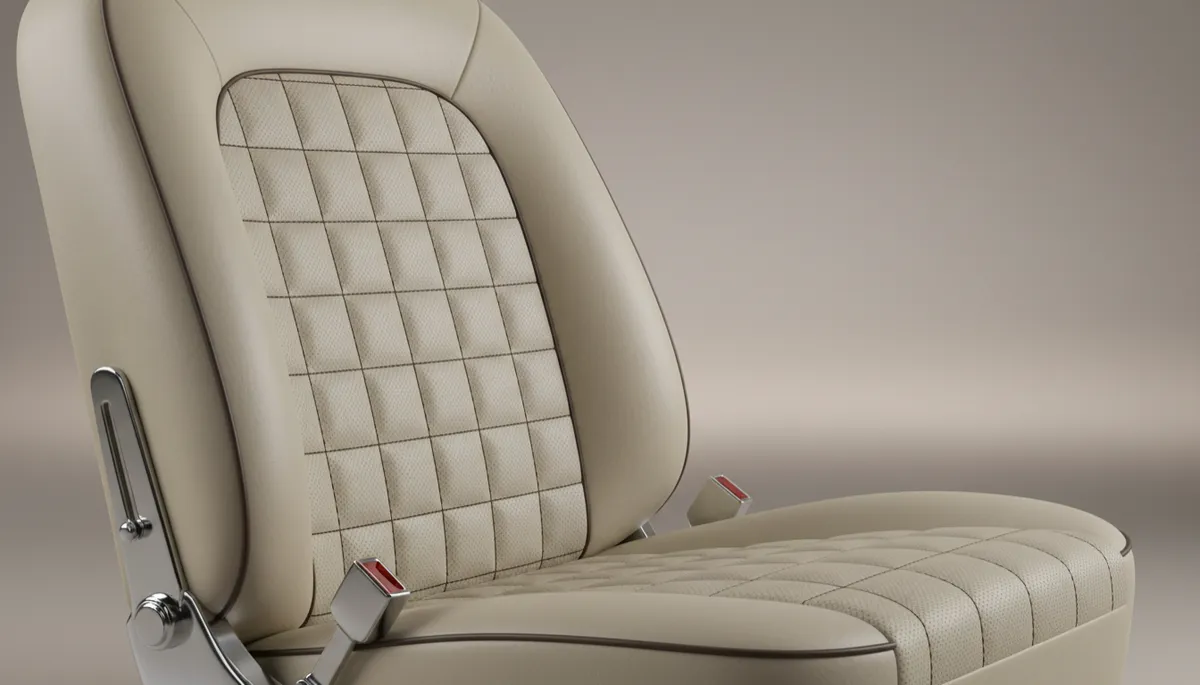
Fine stitching and quilting patterns often earn extra attention from car show judges.
Color Choices: Neutral Bases with Thoughtful Accents
Since you’re aiming for a neutral color scheme, you already have an advantage: neutrals tend to age well, photograph beautifully, and appeal to a wide range of judges and spectators. The key is to use neutral tones as a foundation, then layer subtle accents that tie into your car’s exterior and trim.
Warm neutrals: Tan, saddle, caramel, and cream create an inviting, vintage luxury feel—perfect for classic cruisers and grand tourers.
Cool neutrals: Charcoal, graphite, and light gray work well in muscle cars and restomods, especially with brushed metal or black trim.
To keep your seats show-ready and visually balanced, avoid too many competing colors. Instead, pick one or two accent tones that you repeat in small ways—stitching, piping, embroidered logos, or seatbelts—so the interior feels deliberate and unified.
Comfort and Support: Hidden Upgrades That Make a Big Difference
Car shows often mean long drives to the venue and long hours sitting or climbing in and out as people admire your car. Customizing your classic car seats is the perfect opportunity to upgrade comfort and support—without compromising the vintage look that judges expect.
Modern foam and bolstering: Have an upholstery shop rebuild your seat frames with fresh foam and slightly improved side bolsters for better support, especially in older bench seats or flat buckets.
Seat heaters: Hidden heating elements can be installed under the upholstery, adding comfort for early morning shows or cooler climates without changing the appearance at all.
Subtle lumbar support: A small built-in lumbar pad or adjustable insert can make a huge difference on long drives to out-of-town events.
💡 Pro Tip: Tell your upholsterer exactly how you use the car—short local cruises, highway trips to national shows, or both. They can tailor foam density and support to your real-world driving.
Custom Details That Impress at Car Shows
Once the core upholstery is planned, you can layer in creative touches that make your seats truly show-worthy. These details often spark conversations with judges and spectators and highlight the care you’ve put into your build.
Embroidered Logos, Badges, and Personalization
Embroidery is a tasteful way to add personality without overwhelming the interior. Consider:
The original manufacturer logo or script embroidered on the headrests or upper seatbacks in a subtle thread color.
A small model designation (like “SS,” “GT,” or engine size) stitched into the seat centers to match your exterior badging.
Discreet personal monograms or a build name, kept small and refined so they complement rather than dominate.
Piping, Welting, and Trim Accents
Piping (also called welting) is a narrow strip of material sewn into the seams, and it can dramatically sharpen the look of your classic car seats. For a neutral interior, piping is a perfect place to introduce a gentle contrast:
Light tan seats with darker brown piping that outlines the seat shape and ties in with the dash or carpet.
Gray seats with black piping that coordinates with door panels and console.
Integrating Seats with the Rest of the Interior
At car shows, judges rarely look at your seats in isolation. They evaluate how well the entire interior works together—seats, door panels, dash, console, carpet, and headliner. When planning your seat customization, think in sets:
Repeat materials and patterns from the seats on the door panels or rear side panels to create a unified design.
Use the same stitching style on the seats, shift boot, and steering wheel wrap for a custom, cohesive feel.
Practical Considerations: Durability, Maintenance, and Show-Day Prep
A show car interior needs to look flawless not just once, but every time you roll onto the field. When customizing your classic car seats, talk with your upholsterer about how the materials will hold up to sun, heat, and regular cleaning. A few practical tips:
Choose UV-resistant materials and finishes if your car will spend a lot of time outdoors at events.
Keep a dedicated interior detailing kit in your trunk—soft brushes, microfiber towels, and appropriate leather or vinyl cleaners—to touch up seats quickly before judging.
Consider seat covers for travel that you remove at the show to protect your upholstery from jeans rivets, belts, and accidental spills.
💡 Pro Tip: Before a big show, sit in every seating position and check for wrinkles, loose areas, or squeaks. Addressing small issues early keeps your interior feeling tight and fresh.
Working with a Professional Upholsterer vs. DIY
Some classic car owners are skilled enough to tackle seat upholstery themselves, but for most show-focused builds, partnering with a professional is worth the investment. Quality stitching, properly stretched material, and well-shaped foam are difficult to achieve without experience and specialized tools.
Look for shops with experience in classic and custom cars, not just general automotive upholstery. Ask to see before-and-after photos of similar builds.
Bring reference photos of interiors you admire—factory originals, high-end customs, or award-winning show cars—to communicate your vision clearly.
If you enjoy hands-on work, you can still participate by cleaning and restoring seat frames, repainting hardware, or installing new seat tracks while leaving the actual upholstery to a pro. This collaboration often produces the best blend of personal satisfaction and professional-level results for car shows.
Bringing It All Together: Ideas for Specific Car Show Themes
To spark your imagination, here are a few complete seat customization ideas tailored to different types of classic cars and common car show styles—all built around tasteful, neutral tones.
The Factory-Plus Cruiser
Ideal for: 50s and 60s American sedans and coupes you want to keep close to original, but just a bit nicer than stock.
Use two-tone vinyl that matches the original color scheme, but upgrade to modern, higher-quality material.
Add slightly deeper pleats and cleaner stitching than the factory for a crisp, refined appearance.
Embroider a small original logo on the front seatbacks in a thread color just one shade darker than the vinyl.
The Subtle Muscle Car Restomod
Ideal for: Late 60s and 70s muscle cars where you want modern comfort and performance with a classic attitude.
Choose charcoal leather or high-end vinyl with subtle bolstering that hints at modern sport seats while preserving the original silhouette.
Add perforated center sections and light gray stitching that ties in with your gauges and trim.
Integrate seat heaters and slightly firmer foam for spirited driving to and from the show.
The European-Inspired Grand Tourer
Ideal for: Classic European coupes and roadsters, or American cars with a refined, touring-focused build.
Go with light tan or camel leather with gentle bolstering and smooth, understated pleats.
Add subtle piping that matches the wood or metal trim for a cohesive, upscale look.
Consider Alcantara inserts on the seat centers to prevent sliding and add a touch of modern luxury.
Final Thoughts: Turning Your Seats into a Car Show Highlight
Customizing your classic car seats for car shows is about more than just new upholstery. It’s an opportunity to express your taste, respect your car’s heritage, and create an interior that people remember long after they’ve walked past your space on the field. By starting with a clear vision, choosing quality materials in timeless neutral tones, and focusing on thoughtful details like stitching, patterns, and subtle personalization, you can turn your seats into a true centerpiece of your build.
As you plan, keep car show conditions in mind—bright sun, close-up inspections, and countless photos. Aim for a design that looks just as good from ten feet away as it does from ten inches, with crisp lines, clean seams, and a finish that complements your exterior instead of competing with it. Whether you’re chasing trophies or simply want to enjoy opening your door and seeing a perfectly tailored interior, investing in customized seats is one of the most rewarding upgrades you can make to your classic car.
With the right ideas and a skilled upholsterer, your classic car seats can become a signature feature—inviting people to lean in, take a closer look, and appreciate the care and craftsmanship that make your car stand out at every show you attend.

Our Customers Say It Best
"We had a ripped boat cover that we thought was beyond repair. Now it’s strong, stylish, and holding up perfectly to the elements."

“My truck’s driver seat was cracked and falling apart. After Canvas Guy worked on it, it looks better than when it was new. The difference is night and day.”

“The only upholstery shop I recommend. Honest pricing, excellent work.”

“Finally, an upholstery shop that does it right the first time. Strong stitching, durable material, and quick turnaround.”

“I was restoring my classic car and needed the seats to match the original look. Canvas Guy nailed every detail.”

“We ride ATVs hard, and the seats take a beating. Canvas Guy’s work holds up better than anything I’ve tried before.”

Your Project Deserves This Level of Quality
Get In Touch
Email: [email protected]
Address
259 S Center St.
Elsinore, UT 84724
Phone Number:
(928) 925-8258


Copyright © 2026,all right reserved