
The Upholstery Insider
The Upholstery Insider by Canvas Guy - is where drivers, businesses, and boat owners in Utah can learn more about upholstery and canvas repair. Explore our guides, see real projects, and discover how to make your interior last longer.
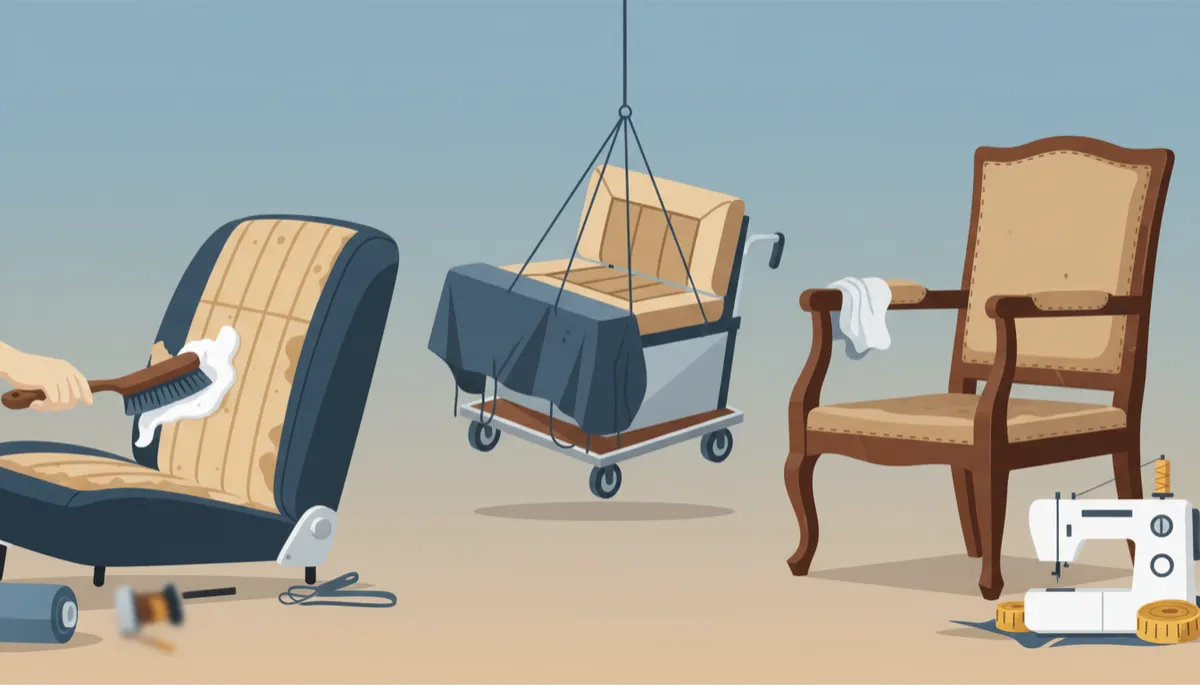
Prepare for Upholstery: Vehicles, Boats & Furniture
Upholstery, Vehicles, Boats, Furniture Care
How to Prepare Your Vehicle, Boat, or Furniture for Upholstery Work
A little preparation before you drop off your vehicle, boat, or furniture for upholstery work can save you time, money, and stress. Here’s a clear, step-by-step guide to help you get everything ready so your upholsterer can focus on what they do best: creating a clean, durable, and beautiful finish.
Why Preparation Matters for Any Upholstery Project
Whether you are refreshing a daily-driver, restoring a classic boat, or giving new life to a favorite sofa, good preparation sets the tone for the entire upholstery job. It helps your upholsterer:
See the true condition of the seats, cushions, or frames without clutter in the way.
Spot hidden damage early, before fabric is ordered or work begins.
Work faster and more accurately, which can reduce labor time and unexpected costs.
Most shops will gladly handle cleaning and disassembly for you, but doing some of it yourself often keeps the project smoother and may keep your bill lower. Always ask your upholsterer what they prefer; every shop has slightly different policies and capabilities.
How to Prepare Your Vehicle for Upholstery Work
1. Clear Out Personal Belongings
Before you drop off your car, truck, or SUV, remove everything that isn’t permanently attached. That includes:
Loose items in seat pockets, cup holders, and center console compartments.
Floor mats, phone chargers, coins, sunglasses, and children’s toys.
Removable seat covers or cushions you’ve added yourself.
💡 Pro Tip: Take a quick set of photos of the interior before you remove anything. It’s a handy reference if you want everything put back in the same place later.
2. Give the Interior a Basic Clean
Your upholsterer doesn’t expect a spotless vehicle, but a quick vacuum and wipe-down make a big difference. Focus on:
Vacuuming crumbs and dirt from seats, creases, and the floor around the seats being reupholstered.
Wiping sticky spills from cup holders, door panels, and armrests near the work area.
This simple step keeps tools, new fabrics, and foam cleaner, and it makes it easier to spot any rust, cracks, or broken hardware under the old upholstery.
3. Decide on Disassembly with Your Upholsterer
Some shops prefer you to bring the whole vehicle, while others may ask you to remove the seats yourself. Clarify this in advance. If you are removing seats:
Disconnect the battery before unplugging seats with airbags or electrical connections.
Label bolts and small parts in bags so reinstallation is easier later.
If you aren’t comfortable doing this, leave it to the professionals and factor the labor into your budget.
4. Communicate Your Goals and Concerns
Before work begins, walk your upholsterer through the interior. Point out:
Any sagging cushions, broken seat heaters, or damaged panels you’ve noticed.
Areas where you want extra durability, such as driver’s seat bolsters or family vehicles with pets and kids.
Bring photos or examples of upholstery styles you like. The clearer your vision, the easier it is to choose the right materials and stitching patterns for your vehicle upholstery work.
How to Prepare Your Boat for Upholstery Work
1. Remove Gear and Clear the Decks
Boat upholstery often involves removable cushions, bolsters, and sun pads. Start by removing:
Life jackets, fishing gear, coolers, towels, and personal items stored under or around seating areas.
Snap-on covers or aftermarket seat protectors that hide the actual condition of the cushions.
A clutter-free deck lets your upholsterer move safely and see how each cushion fits into the boat’s layout.
2. Dry and Clean the Cushions
Moisture is the enemy of marine upholstery. Before you deliver your boat or loose cushions:
Let wet cushions dry completely to help reduce mold and mildew odors in the shop.
Brush off sand and rinse away saltwater residue if possible.
Your upholsterer may replace foam if it’s waterlogged or moldy, but starting with dry materials makes it easier to judge what truly needs to be rebuilt.
3. Decide: Whole Boat or Loose Cushions?
Some marine upholstery work can be done with just the cushions brought to the shop; other projects require the boat on-site for accurate fitting. Ask your upholsterer:
If they need the boat to pattern complex shapes, such as curved sun pads or custom backrests.
Whether you should remove hinges, hardware, or plastic backing before drop-off, or if they prefer to handle it.
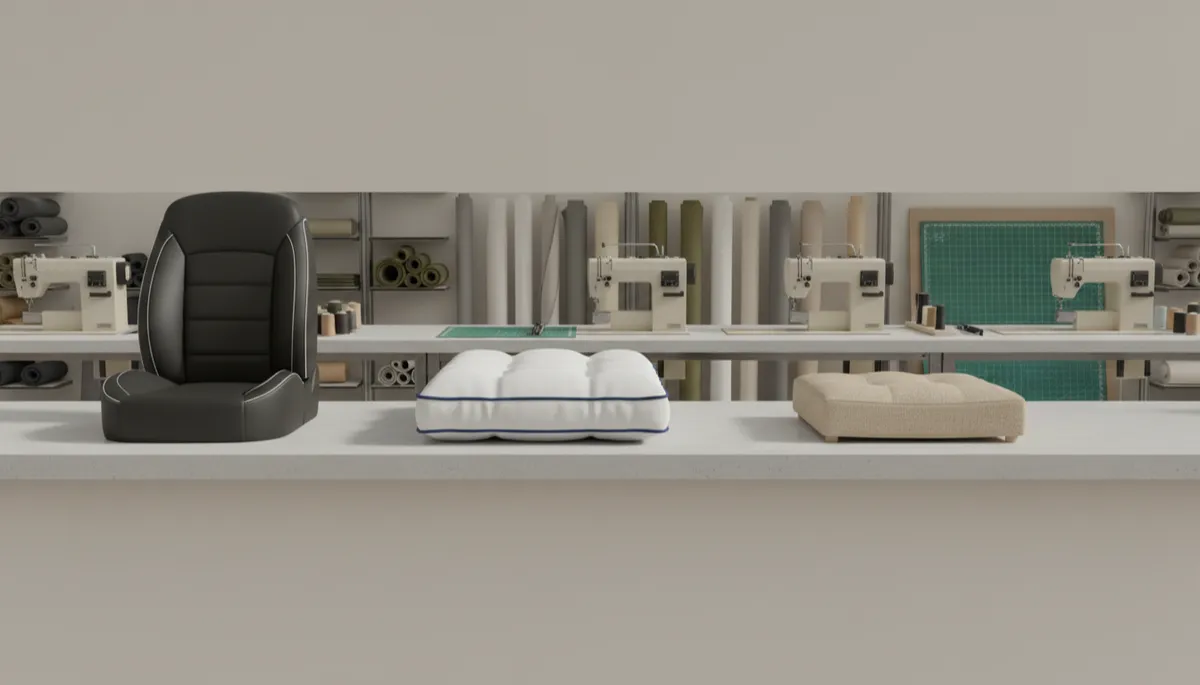
Bringing clean, clearly labeled pieces helps your upholsterer keep complex projects organized.
4. Talk About Marine-Grade Materials
Marine upholstery has special demands: UV exposure, water, and temperature swings. Before work starts, discuss:
Marine-grade vinyl or fabric for sun-exposed areas versus interior cabins.
Thread types, foam density, and mildew-resistant backing for longer life.
Share how and where you use your boat—freshwater, saltwater, covered dock, or open mooring—so the upholsterer can recommend materials that match your reality.
How to Prepare Your Furniture for Upholstery Work
1. Empty, Clean, and Clear the Area
For sofas, dining chairs, or accent pieces, start by removing anything stored on or around the furniture. That includes throw pillows, blankets, slipcovers, and items on nearby side tables that might be bumped during pickup or delivery. Then:
Vacuum crumbs and pet hair from creases and under cushions.
Wipe sticky spots on arms or wood trim where the upholsterer will handle the piece.
A clean starting point makes it easier to see wear patterns and structural issues, such as loose joints or broken springs, that might need attention during the upholstery work.
2. Plan Access for Pickup or Drop-Off
Large furniture can be tricky to move, especially in tight stairwells or apartments. Before your scheduled pickup or before you transport it yourself:
Measure doorways, hallways, and elevators to ensure the piece can pass through safely.
Move rugs, floor lamps, and fragile decor out of the way along the path.
💡 Pro Tip: Take photos of the furniture in your space and in natural light. This helps your upholsterer recommend fabrics and colors that will work with your room.
3. Discuss Structural Repairs and Comfort Changes
Upholstery is more than just new fabric. It’s your chance to improve comfort and stability. When you meet with your upholsterer, mention if:
Cushions feel too soft, too firm, or uneven and you’d like a different foam density.
The frame creaks, wobbles, or has broken webbing or springs that need repair.
Clarifying these expectations up front ensures the quote includes any necessary internal repairs, not just the visible fabric work.
4. Choose Fabrics with Your Lifestyle in Mind
Bring swatches, photos, or inspiration from magazines or online. Then be honest about how you use the piece:
Do you have pets or young children who may stain or scratch the fabric?
Is the furniture in a sunny room where fading could be a concern?
Your upholsterer can guide you toward performance fabrics, stain-resistant finishes, or patterns that hide everyday wear while still matching your style.
Final Checklist Before You Drop Anything Off
No matter what you are having reupholstered—vehicle, boat, or furniture—run through this quick checklist:
Remove personal items and anything loose or valuable.
Give surfaces a basic clean so dirt and debris don’t get in the way.
Take photos of the current condition and any details you care about, such as stitching patterns or button placement.
Confirm logistics: drop-off time, estimated completion date, and how the shop handles changes or additional repairs they may discover.
Review the quote so you understand what is included—fabric, foam, repairs, pickup, and delivery.
Enjoy a Smoother Upholstery Experience
Preparing your vehicle, boat, or furniture for upholstery work doesn’t have to be complicated. By clearing personal items, doing a light clean, and having an honest conversation with your upholsterer about your goals and lifestyle, you set the stage for a result you’ll love for years.
Think of preparation as your part of the partnership. The more clearly you present your pieces and your expectations, the more confidently your upholsterer can plan materials, labor, and timelines. In return, you’ll get seats that are comfortable and safe, boat cushions that stand up to the elements, and furniture that looks and feels tailor-made for your home.
If you are unsure about any step—removing seats, transporting large furniture, or choosing fabrics—ask your upholstery shop for guidance. They work on these projects every day and can tell you exactly how to prepare your specific vehicle, boat, or furniture so the process is as smooth and stress-free as possible.

Our Customers Say It Best
"We had a ripped boat cover that we thought was beyond repair. Now it’s strong, stylish, and holding up perfectly to the elements."

“My truck’s driver seat was cracked and falling apart. After Canvas Guy worked on it, it looks better than when it was new. The difference is night and day.”

“The only upholstery shop I recommend. Honest pricing, excellent work.”

“Finally, an upholstery shop that does it right the first time. Strong stitching, durable material, and quick turnaround.”

“I was restoring my classic car and needed the seats to match the original look. Canvas Guy nailed every detail.”

“We ride ATVs hard, and the seats take a beating. Canvas Guy’s work holds up better than anything I’ve tried before.”

Your Project Deserves This Level of Quality
Get In Touch
Email: [email protected]
Address
259 S Center St.
Elsinore, UT 84724
Phone Number:
(928) 925-8258


Copyright © 2026,all right reserved