
The Upholstery Insider
The Upholstery Insider by Canvas Guy - is where drivers, businesses, and boat owners in Utah can learn more about upholstery and canvas repair. Explore our guides, see real projects, and discover how to make your interior last longer.
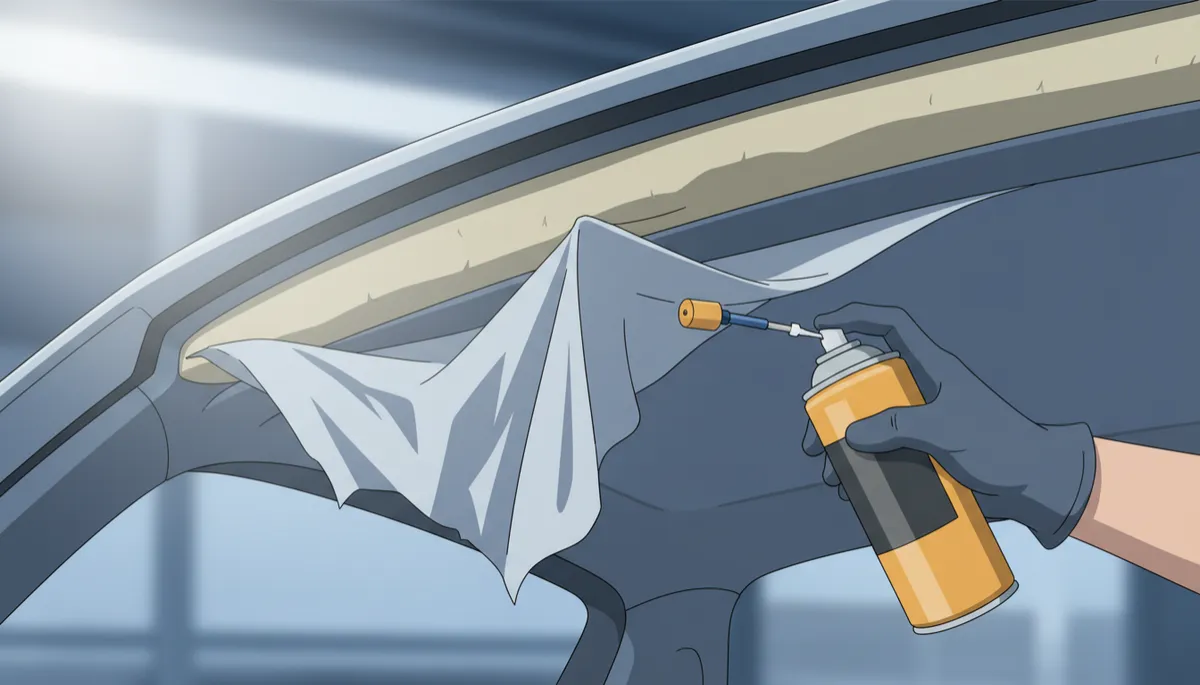
Headliner Repair: Fix Sagging Fabric Issues
Auto Care, Headliner Repair
Headliner Repair: Why Sagging Fabric Shouldn’t Be Ignored
A sagging headliner might seem like a small cosmetic issue, but it can quickly turn into a safety concern, hurt your car’s value, and make every drive feel a little less enjoyable. Understanding why headliners fail and what you can do about it will help you decide when it is time for professional headliner repair—and why “I’ll deal with it later” is rarely the best plan.
What Is a Headliner and Why Does It Matter?
The headliner is the finished material that covers the interior roof of your vehicle. It usually consists of a rigid backing board, a thin layer of foam, and a fabric or vinyl surface. While it looks simple, your headliner does much more than make the cabin look neat and polished:
It insulates the cabin from heat and cold, making the interior more comfortable in every season.
It reduces noise, helping to block road and wind sounds so conversations and music are clearer.
It hides wiring and structural components, keeping the interior looking clean and uncluttered.
It contributes to your car’s overall value and first impression when you sell or trade it in.
When the headliner fabric begins to sag, bubble, or separate from the backing, all of these benefits start to fade—and the problem rarely fixes itself. That is where timely headliner repair becomes important.
Why Do Headliners Start to Sag?
Most headliners fail for a simple reason: time and temperature. Over the years, the foam layer behind the fabric dries out, crumbles, and loses its grip. Add in hot summers, cold winters, and humidity, and the adhesive holding everything together begins to break down. Once that happens, gravity takes over and the fabric starts to droop away from the roof.
Other common causes include:
Prolonged sun exposure: Parking outdoors, especially in hot climates, accelerates foam breakdown and adhesive failure.
Water leaks: Moisture from a leaky sunroof, windshield, or roof seam can soak into the headliner, weakening glue and causing stains and sagging.
Smoking in the car: Heat and residue from cigarette smoke can age fabric and foam faster, leading to discoloration and early failure.
Physical damage: Kids’ hands, pets’ claws, or loading tall items can tear, stretch, or loosen the fabric, starting the sagging process.
Why Sagging Fabric Shouldn’t Be Ignored
It is tempting to shrug off a little droop around the edges of your headliner, especially if the car still drives fine. But ignoring sagging fabric can create bigger headaches than you might expect. Here is why putting off headliner repair is a mistake for most drivers.
1. Safety and Visibility Risks
As sagging worsens, the fabric can drop low enough to interfere with your view, especially out of the rear window or side windows. A loose section above the driver’s seat can brush against your head, distract you, or partially block your vision when you shoulder-check or glance in the mirror. In an emergency situation, even a split-second distraction can matter.
In some cases, the fabric may eventually detach entirely on one side and hang down like a curtain. At that point, driving the vehicle becomes not just annoying, but genuinely unsafe—especially at night or in heavy traffic when clear visibility is essential.
2. Damage Spreads and Becomes More Expensive
A small bubble or sagging patch might look like a minor nuisance, but it is usually a sign that the foam underneath is failing across a larger area. Once the bond is broken, the surrounding sections tend to loosen as well. What starts as a few inches near the rear window can turn into a full roof sag over a few months of heat and vibration.
Early intervention can sometimes mean a localized repair or partial re-cover. Wait too long, and you are often looking at a complete removal and replacement of the fabric across the entire headliner board. That means more labor time, more materials, and a higher bill. Addressing sagging when it is still limited can keep costs more manageable.
3. Reduced Comfort and Cabin Experience
Your car’s interior is where you spend every minute behind the wheel. A drooping, stained, or wrinkled headliner makes the cabin feel older, smaller, and more cramped. Passengers may brush against loose fabric when they sit down or get in and out, which can feel unpleasant and unhygienic, especially if the foam is crumbling and shedding dust.
Over time, a failing headliner can also reduce insulation. You may notice more heat radiating from the roof on sunny days or more cold seeping in during winter. Increased noise from the road and wind can make long drives more tiring. All of these subtle changes add up to a less enjoyable driving experience that you do not have to accept.
4. Lower Resale and Trade-In Value
When it is time to sell or trade your vehicle, the interior is one of the first things buyers notice. A sagging headliner sends a clear signal: this car has not been maintained carefully. Even if the engine is strong and the maintenance history is solid, a droopy roof liner can make the whole vehicle feel tired and neglected in the eyes of a buyer or dealer appraiser.
That perception often translates into a lower offer. In many cases, the cost of a professional headliner repair is less than the amount you might lose on resale if you leave it as-is. Fixing the issue before listing the car can help your photos look better, your test drives feel more impressive, and your final selling price stay higher.
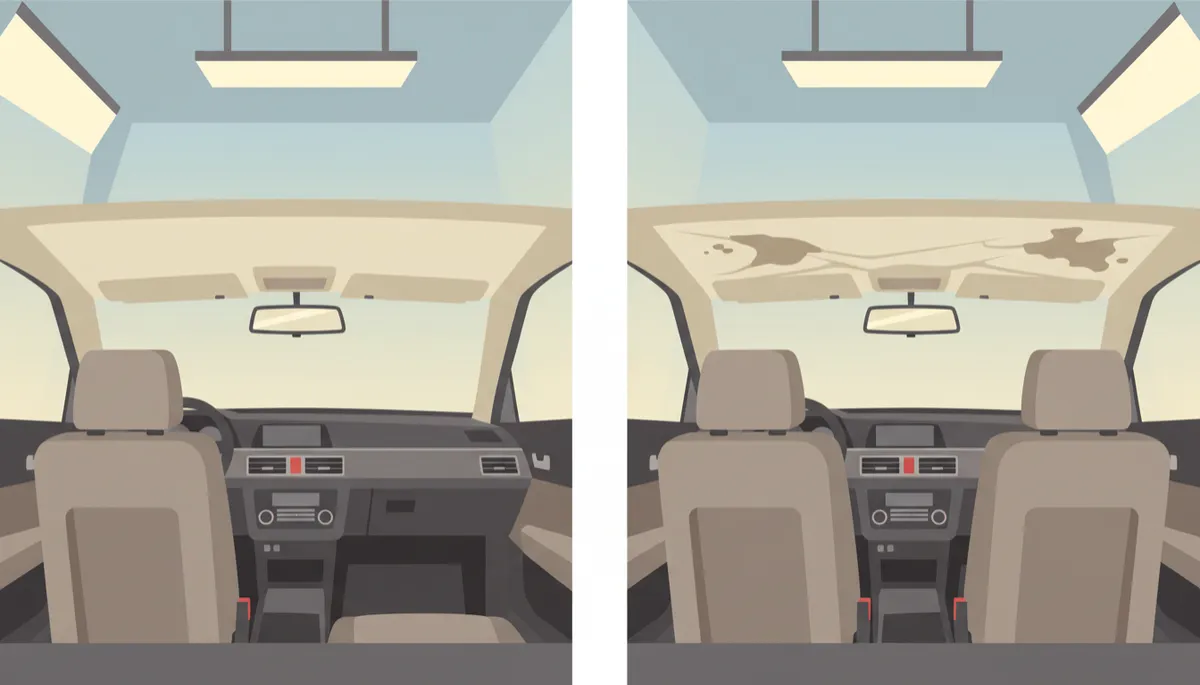
A clean, tight headliner instantly makes a used car feel newer and better cared for.
DIY Fixes vs. Professional Headliner Repair
Search online and you will find plenty of “quick fixes” for sagging headliners: thumbtacks, twist pins, double-sided tape, or spray adhesive applied directly to the fabric. While these tricks might hold things up for a little while, they rarely look good and often create more problems down the road.
💡 Pro Tip: If you plan to keep the car for more than a few months—or care about its value—treat temporary hacks as last resorts, not long-term solutions.
A proper headliner repair usually involves removing the headliner board from the vehicle, stripping off the old fabric and foam, cleaning the surface thoroughly, and applying new foam-backed material with the correct high-temperature adhesive. This process restores the original look and function of the headliner rather than simply pinning it in place. It also allows the technician to check for any underlying issues, such as water leaks, that may have contributed to the damage.
When Should You Schedule Headliner Repair?
Not every tiny imperfection demands immediate action, but there are clear signs that it is time to call a professional:
The fabric is sagging enough to touch your head or passengers’ heads.
You notice large bubbles or waves across the roof, not just at the very edges.
Thumbtacks, pins, or tape have already been used and are failing or look unsightly.
There are stains, water marks, or a musty smell indicating moisture damage.
You plan to sell or trade the vehicle within the next year and want it to show well.
Addressing sagging at one of these stages helps you avoid driving with a distracting, deteriorating roof and gives you more control over the final look and cost of the repair.
How to Protect Your New or Repaired Headliner
Once you have invested in headliner repair, a few simple habits can help extend its life and keep sagging at bay for as long as possible:
Use sunshades and covered parking when you can, especially in hot climates, to reduce heat buildup at the roofline.
Fix water leaks quickly if you notice damp spots, drips, or foggy windows after rain. Moisture is a major enemy of headliner materials.
Avoid hanging heavy items from coat hooks or grab handles that put pressure on the headliner board.
Discourage touching or pulling on the fabric, especially by kids or pets, to prevent stretching or tearing.
The Bottom Line: Don’t Wait for the Fabric to Fall
A sagging headliner is more than an eyesore. It can interfere with visibility, make your car less comfortable, and quietly chip away at its resale value. The longer you ignore it, the more the damage spreads and the more complex (and costly) the fix is likely to become. By recognizing the early signs of failure and scheduling professional headliner repair before the fabric fully drops, you protect both your driving experience and your investment in your vehicle.
If the roof of your car is starting to sag, consider it a gentle reminder rather than a minor annoyance: now is the ideal time to act. A clean, secure, and well-fitted headliner helps your car feel newer, safer, and more enjoyable every time you close the door and start the engine.

Our Customers Say It Best
"We had a ripped boat cover that we thought was beyond repair. Now it’s strong, stylish, and holding up perfectly to the elements."

“My truck’s driver seat was cracked and falling apart. After Canvas Guy worked on it, it looks better than when it was new. The difference is night and day.”

“The only upholstery shop I recommend. Honest pricing, excellent work.”

“Finally, an upholstery shop that does it right the first time. Strong stitching, durable material, and quick turnaround.”

“I was restoring my classic car and needed the seats to match the original look. Canvas Guy nailed every detail.”

“We ride ATVs hard, and the seats take a beating. Canvas Guy’s work holds up better than anything I’ve tried before.”

Your Project Deserves This Level of Quality
Get In Touch
Email: [email protected]
Address
259 S Center St.
Elsinore, UT 84724
Phone Number:
(928) 925-8258


Copyright © 2026,all right reserved