
The Upholstery Insider
The Upholstery Insider by Canvas Guy - is where drivers, businesses, and boat owners in Utah can learn more about upholstery and canvas repair. Explore our guides, see real projects, and discover how to make your interior last longer.
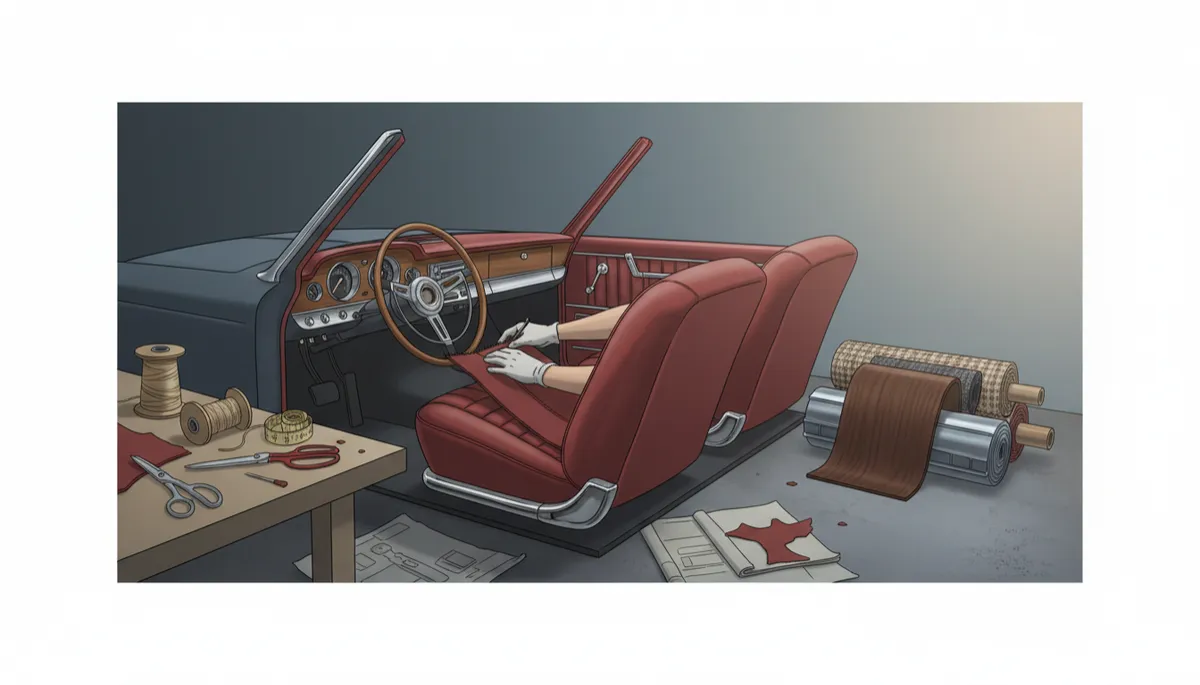
Off-Season Classic Car Interior Projects
Classic Cars, Interior Restoration, Off-Season Projects
Classic Car Interior Projects to Tackle During the Off-Season
When the weather turns cold and cruise nights wind down, the smartest classic car owners move their projects indoors. The off-season is the perfect time to refresh, restore, or completely rethink your interior so you’re ready to roll when the sun comes back out.
Why the Off-Season Is Ideal for Interior Projects
Interior work is one of the most rewarding ways to invest in your classic car, and it’s especially well suited to the off-season. Unlike bodywork or paint, most interior projects can be done in a home garage, under a carport, or even in a heated workshop without worrying about road salt, rain, or blazing sun. That makes winter or any slow driving period the perfect time to plan and schedule your upgrades.
When you deliberately schedule interior projects during the off-season, you also avoid the spring and summer rush at upholstery shops and parts suppliers. Lead times are shorter, appointments are easier to book, and you’re less tempted to rush the job just to make the next weekend meet. Instead, you can take your time, research materials, and complete each step with care while your car would be sitting anyway.
💡 Off-season advantage: Many upholstery and detailing shops offer winter discounts or flexible scheduling because demand is lower. Ask about seasonal pricing when booking.
Step One: Inspect and Plan Before You Turn a Wrench
Before diving into any classic car interior project, spend a quiet afternoon simply looking, touching, and taking notes. The off-season gives you the luxury of time, so use it to create a detailed plan rather than attacking pieces at random and ending up overwhelmed halfway through winter.
Sit in every seat and note sagging cushions, torn seams, or hard foam.
Check carpets for damp spots, worn-through areas, or fading from the sun.
Inspect door panels, dash, and headliner for cracks, sagging, or loose trim.
Test every switch, light, and gauge to see what works and what doesn’t.
Take photos and label them, especially before you start removing parts. Having a visual record makes reassembly in a few months much easier. Then, separate your wish list into three categories: must-fix safety/comfort issues, cosmetic improvements, and nice-to-have upgrades. This helps you prioritize projects to fit your budget and the length of your off-season.
📌 Key takeaway: A written plan and photos taken now will save hours of confusion when you’re putting everything back together in early spring.
Project 1: Seat Restoration and Upholstery Upgrades
Your seats are where you experience your classic car every single mile, so they’re one of the best interior projects to schedule when driving season slows down. Over decades, original foam breaks down, springs sag, and covers crack or fade. Even if your car looks good from the outside, tired seats can make every drive feel older than it needs to be.
Rebuild, Replace, or Recover?
During the off-season, you can remove the seats entirely, giving you room to decide whether to:
Rebuild original frames with new foam and springs while keeping factory patterns and stitching.
Order reproduction seat covers that match original materials and colors for a period-correct look.
Upgrade to subtle modern comfort, such as firmer foam, added bolstering, or even discreet seat heaters hidden under classic upholstery.
Upholstery shops often appreciate winter work because it fills their schedule between boating and motorcycle seasons. If you plan ahead, you can remove the seats in late fall, deliver them to a trimmer, and have them back in time for the first warm weekend. Meanwhile, your car can stay safe and dry in the garage, and you can tackle other projects inside the cabin.
DIY vs. Professional Help
Recovering seats can be a DIY project if you’re patient and comfortable with hand tools, but it does require attention to detail. The off-season gives you time to learn, practice on a less-visible seat, or decide that certain steps—like stitching complex patterns—are better left to a pro. Either way, scheduling this work in your slower months means you don’t sacrifice driving time while your seats are out of the car.
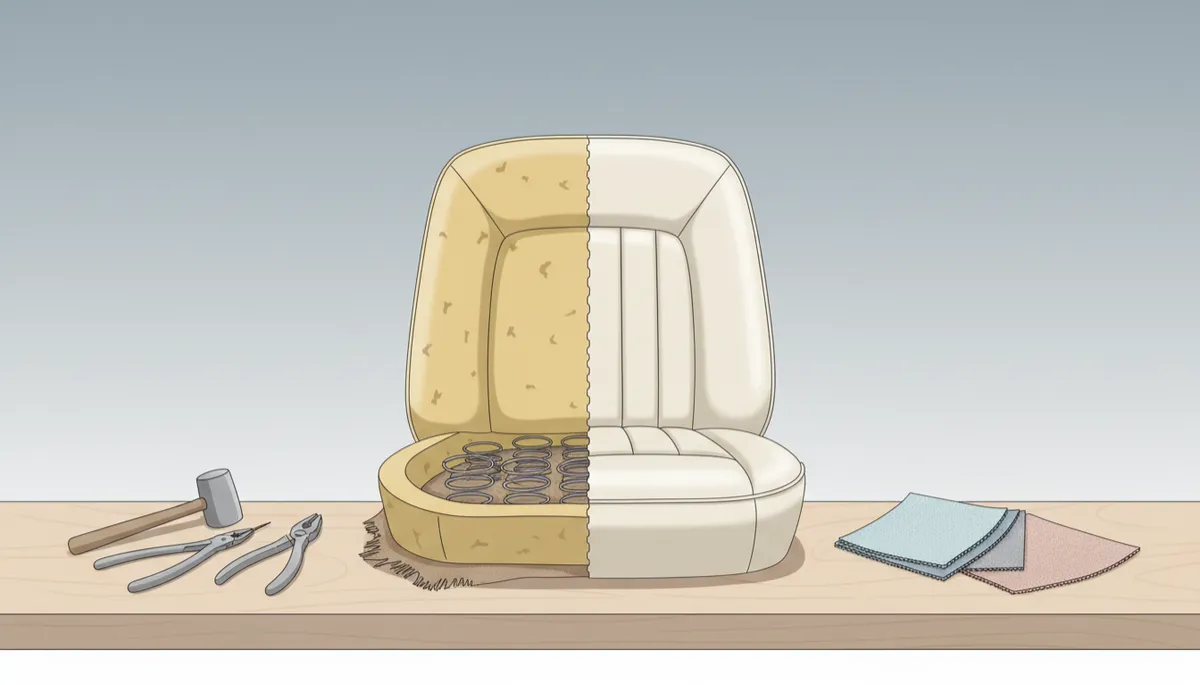
Rebuilding seats in winter lets you enjoy fresh comfort all next season.
Project 2: Carpets, Sound Deadening, and Underfoot Comfort
Pulling out carpets is a messy job, but the off-season is the perfect time to do it. With the seats already out for rebuilding, you have clear access to the floor pans, wiring, and shifter area. This is an ideal opportunity to check for hidden rust, leaks, or old repairs that need attention before they become bigger problems.
Replace Worn Carpets and Mats
Classic car carpets often fade, fray, or trap decades of dust and odors. Reproduction carpet kits are widely available, and many are pre-molded to the contours of specific floor pans. Scheduling this project for the off-season means you can:
Test-fit and trim new carpet slowly, without rushing to get the car back on the road.
Allow any adhesives or sound-deadening materials to fully cure in a controlled environment.
Match new floor mats to your refreshed interior color scheme instead of just grabbing whatever is in stock during peak season.
Add Modern Sound Deadening Discreetly
While the carpets are out, consider installing sound deadening and thermal insulation. Products like butyl mats, foam underlay, and heat shields can dramatically reduce road noise and cabin heat without changing the look of your interior. These upgrades are invisible once the carpets and seats go back in, but they transform the driving experience on long trips and hot days.
Laying these materials takes time and patience. The off-season allows you to roll, cut, and apply them carefully, ensuring full coverage around pedal boxes, transmission tunnels, and rear seat areas. It’s meticulous work, but once it’s done, you’ll enjoy a quieter, cooler cabin for years to come.
Project 3: Dashboards, Gauges, and Interior Trim Details
The dashboard is the visual centerpiece of most classic car interiors, but it’s also one of the most delicate areas to work on. Cracked dash pads, faded wood veneer, and hazy gauge lenses can drag down an otherwise beautiful cabin. Because dash work often involves removing brittle plastics and carefully labeled wiring, it’s an ideal project to schedule when you aren’t rushing to make the next show or club drive.
Restoring the Dash Pad and Trim
Depending on your car, you may be able to repair small cracks with specialized fillers and texture sprays, or you might choose to replace the entire pad with a reproduction piece. Both options require time and care. The off-season lets you:
Remove brittle components slowly to avoid breaking rare or hard-to-find trim.
Refinish wood or brushed metal trim pieces with proper curing time between coats.
Source missing knobs, bezels, or switches from specialty vendors or online forums without feeling rushed.
Cleaning, Repairing, and Upgrading Gauges
Faded gauge faces, sticking needles, and dim backlighting are common in older cars. During the off-season, you can remove the instrument cluster, clean the lenses, and send individual gauges to a specialist if needed. Some owners choose to keep the original faces but upgrade the internals for better accuracy and reliability—a perfect winter project because turnaround times can be several weeks.
While everything is apart, consider upgrading dash lighting to warmer, brighter bulbs or carefully selected LEDs that maintain a classic look. Doing this while the car is stored means you’re not rewiring the dash in a hot driveway or missing out on prime driving weather.
Project 4: Door Panels, Weatherstripping, and Touch Points
Few things spoil a drive faster than rattling doors, wind whistles, or drafts around the windows. Fortunately, these are exactly the kinds of annoyances you can address when you schedule interior work for the off-season. With the car parked, you can remove door panels without worrying about driving it half-assembled, and you can order replacement clips or seals if you discover something broken.
Refresh Door Panels and Armrests
Door panels often suffer from warped backing boards, peeling vinyl, or stained fabric. Depending on the model, you may find reproduction panels, or you can rebuild your originals by:
Tracing the original panel onto new moisture-resistant board.
Reusing trim pieces and handles while replacing the backing and covering materials.
Repairing or replacing cracked armrests and window cranks so the touch points feel solid and satisfying.
Renew Weatherstripping and Seals
Old rubber seals shrink, crack, and harden, leading to leaks and wind noise. Replacing door, trunk, and window weatherstripping is time-consuming but not especially complex. The off-season is ideal for this project because:
New seals may need time to compress and settle; you can adjust door alignment and latch tension gradually.
Adhesives cure best in stable temperatures, which you can control in a garage more easily in winter than in summer heat.
Project 5: Headliners, Sun Visors, and Overhead Details
A sagging headliner or stained sun visors can make an otherwise clean interior feel neglected. Replacing or restoring these pieces is often easier when you’re not in a hurry, because it may involve removing trim around windows, pillars, and dome lights—work that rewards patience and careful labeling of clips and screws.
Scheduling headliner work for the off-season also gives you a chance to run new wiring for dome lights, rear speakers, or even a hidden Bluetooth microphone above the windshield. Once the new headliner is in place, these upgrades are invisible but make modern driving more convenient and enjoyable.
Project 6: Subtle Modern Comforts That Respect Original Style
Many classic car owners want to keep the period-correct look of their interior while quietly adding features that make regular use more comfortable. The off-season is the best time to experiment with these upgrades because you can test-fit, route wiring, and refine the details without feeling rushed. Consider:
Installing seat heaters under new or existing upholstery for chilly early-season drives.
Upgrading to a retro-style head unit with Bluetooth and USB hidden behind a stock-looking faceplate.
Adding discreet USB charging ports in the glovebox or under the dash to avoid cluttering the original design.
Integrating a small center console or cup holders that can be removed for shows but used on long trips.
These projects require planning to avoid drilling unnecessary holes or cutting original panels. Working on them during the off-season allows you to mock up brackets, test wiring paths, and ensure everything is reversible if you ever want to return to a completely stock look.
Project 7: Deep Cleaning, Preservation, and Final Detailing
Not every off-season interior project has to involve major disassembly. Sometimes the most satisfying transformation comes from a thorough, methodical cleaning and preservation routine. With more time and fewer distractions, you can go far beyond a quick vacuum and wipe-down.
Gently clean original leather or vinyl with products designed for vintage materials, then condition them to prevent future cracking.
Use soft brushes and cotton swabs to remove dust from vents, seams, and switchgear that are usually overlooked.
Polish metal trim, door sills, and pedal pads, and replace worn pedal rubbers for a crisp, well-kept appearance.
A deep winter detail also gives you a chance to spot early signs of wear or moisture issues so you can address them before the next driving season. It’s a simple but powerful way to protect the investment you’ve made in more involved interior projects.
How to Build an Off-Season Interior Project Schedule
To make the most of the months when your classic is off the road, it helps to treat your interior upgrades like a mini restoration plan. Start by estimating how long each project will take and what needs to happen first. For example, it usually makes sense to:
Remove seats and carpets early in the off-season so you can inspect floors, order parts, and send items out for professional work if needed.
Tackle hidden upgrades like sound deadening, wiring, and seat heaters while the interior is stripped.
Move on to dash, gauges, and overhead work once the lower cabin is complete and protected.
Finish with door panels, weatherstripping, and final detailing as spring approaches, so you’re reinstalling the last pieces just in time for driving season.
Building a simple calendar—whether on paper or in a phone app—helps you break big goals into weekly tasks. Maybe one weekend is devoted to removing seats, the next to ordering parts, and another to laying sound deadening. By spreading the work across the off-season, you avoid burnout and keep the project fun rather than stressful.
💡 Pro Tip: Build in extra time for shipping delays and backordered parts. Off-season or not, specialty components for classics can take longer to arrive than you expect.
Enjoying the Payoff When the Season Returns
The real reward for scheduling classic car interior projects during the off-season comes on that first warm day of spring. Instead of sliding into cracked vinyl and listening to rattling panels, you open the door to a fresh, quiet, and comfortable cabin that feels as special as the car looks from the outside. Every drive becomes more enjoyable, and you’ll take pride in knowing that you used the quiet months wisely.
Whether you focus on one major project—like a full seat and carpet overhaul—or a series of smaller upgrades and deep cleaning sessions, the off-season is your best opportunity to transform the interior without sacrificing driving time. Start with a realistic plan, prioritize comfort and safety, and don’t be afraid to mix professional help with do-it-yourself effort where it makes sense for your skills and budget.
Classic cars are about more than just looks under the hood or shine on the fenders. They’re about the way you feel every time you settle into the driver’s seat and close the door. By dedicating your off-season to thoughtful interior projects, you’re not just restoring parts—you’re restoring the experience of driving a truly special car, mile after mile.

Our Customers Say It Best
"We had a ripped boat cover that we thought was beyond repair. Now it’s strong, stylish, and holding up perfectly to the elements."

“My truck’s driver seat was cracked and falling apart. After Canvas Guy worked on it, it looks better than when it was new. The difference is night and day.”

“The only upholstery shop I recommend. Honest pricing, excellent work.”

“Finally, an upholstery shop that does it right the first time. Strong stitching, durable material, and quick turnaround.”

“I was restoring my classic car and needed the seats to match the original look. Canvas Guy nailed every detail.”

“We ride ATVs hard, and the seats take a beating. Canvas Guy’s work holds up better than anything I’ve tried before.”

Your Project Deserves This Level of Quality
Get In Touch
Email: [email protected]
Address
259 S Center St.
Elsinore, UT 84724
Phone Number:
(928) 925-8258


Copyright © 2026,all right reserved